Hidden Costs of AI Camera Deployment in Pharma
06/11/2026
Hardware Mistakes: When IP Cameras Fall Short of Computer Vision Standards
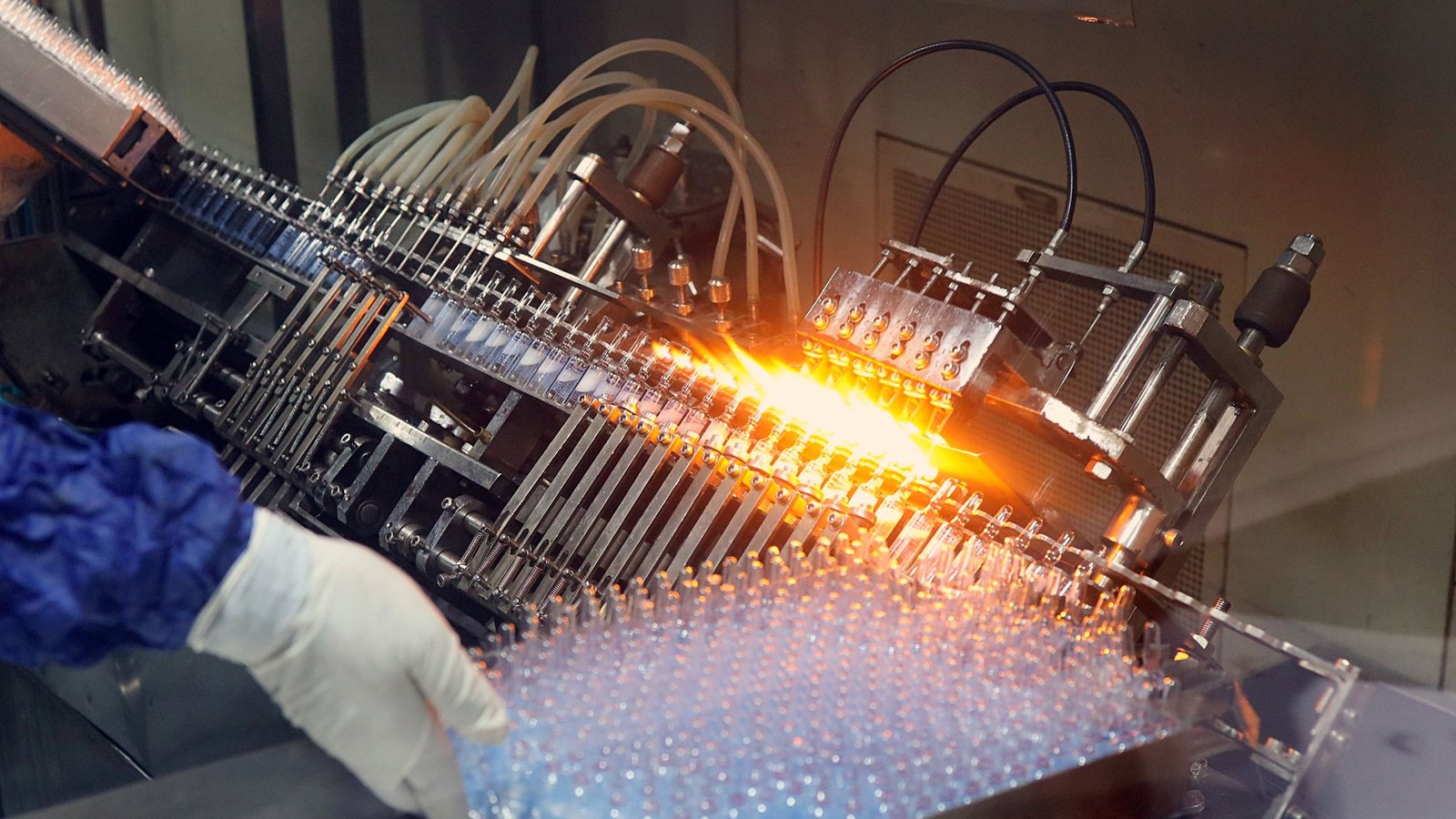
I once sat with the engineering team of a major pharmaceutical plant in a high-tech industrial zone. They wanted to monitor their capsule packaging process. The initial requirement seemed simple: add AI software to their existing IP camera system. The problem, however, was not the algorithm, but the quality of the input images. Many older cameras suffered from slight vibrations due to their proximity to air compressors, and their fields of view were partially obstructed by raw material containers. This noisy input data caused the computer vision model to frequently report false errors or miss critical events. As a result, the operations team wasted time on manual re-checks, defeating the purpose of automation.
The most common mistake is treating cameras merely as recording devices. For AI Camera systems, the camera is a data sensor. If resolution is low, lighting is uneven, or frames are blurry, the 99% accuracy potential of the technology drops significantly. Before deployment, a thorough technical survey is required: measure lighting, check for vibrations, and ensure the viewing angle covers the entire monitoring area without obstruction. This involves costs for surveying labor and potentially upgrading some cameras, which cannot be overlooked.
Workflow Errors: When AI Alerts Go Unhandled
Many businesses believe that installing an AI Camera system is the end of the process. They forget that value comes from action. A system that alerts on unauthorized zone entry or detects anomalies on the production line is only useful if someone acts on it promptly. If alerts are only displayed on a secondary monitor no one watches, or sent to a shared inbox where they get buried, the deployment cost is essentially wasted.
The fix is to establish a clear response workflow. Alerts must be pushed to the right person via a channel they actually use. In a factory context, integrating alerts via Telegram or Zalo helps reduce response latency to under 1 second, aligning with the technical standards that modern AI Camera solutions like AIV Camera aim for. It is crucial to define: when an alert triggers, who stops the machine? Who logs the incident? Without this process, you are merely paying for a false alarm system.
Overlooking Integration and Long-Term Maintenance Costs
The cost of software licensing is only a small part of the equation. The most easily forgotten expense is data integration. AI Cameras need to connect with MES (Manufacturing Execution System) or ERP systems to automatically log incident timestamps and link them to specific product batches. This requires IT engineers to spend weeks mapping data and handling exceptions when APIs fail or the internal network is unstable.
There is also the cost of model maintenance. Dirty data and changes on the production line (e.g., packaging changes, machine layout adjustments) will reduce AI model accuracy. A process for periodic retraining or updating alert thresholds is necessary. Do not forget video storage costs. If you retain all video footage during alerts for traceability, storage capacity will grow rapidly. Calculate specifically: how long do you need to store data? At what resolution? These are figures that must be clarified in the budget to avoid unplanned server infrastructure costs.
How to Calculate Your Budget and ROI
Do not ask vendors for a "turnkey price." Instead, build your own cost table in three categories: initial investment costs (installation, configuration, integration), monthly operating costs (storage, licensing, electricity), and opportunity costs (time employees previously spent on manual monitoring). To evaluate ROI, focus on two metrics: reduction in product defects and reduction in machine downtime. For example, if the system detects a packaging error early, you can avoid the recall of a high-value batch. Compare that value against the total investment to determine the return ratio. This process requires honesty about current operational data. If you do not know your current defect costs, you cannot calculate the ROI of an AI Camera. Start by measuring your current state for one month before planning your investment.
There is more here than one article can hold. Keep reading on the AIVISION blog, look at our display scoring solution, or get in touch.