AI Cameras for Food Processing: A Practical Perspective
03/11/2026
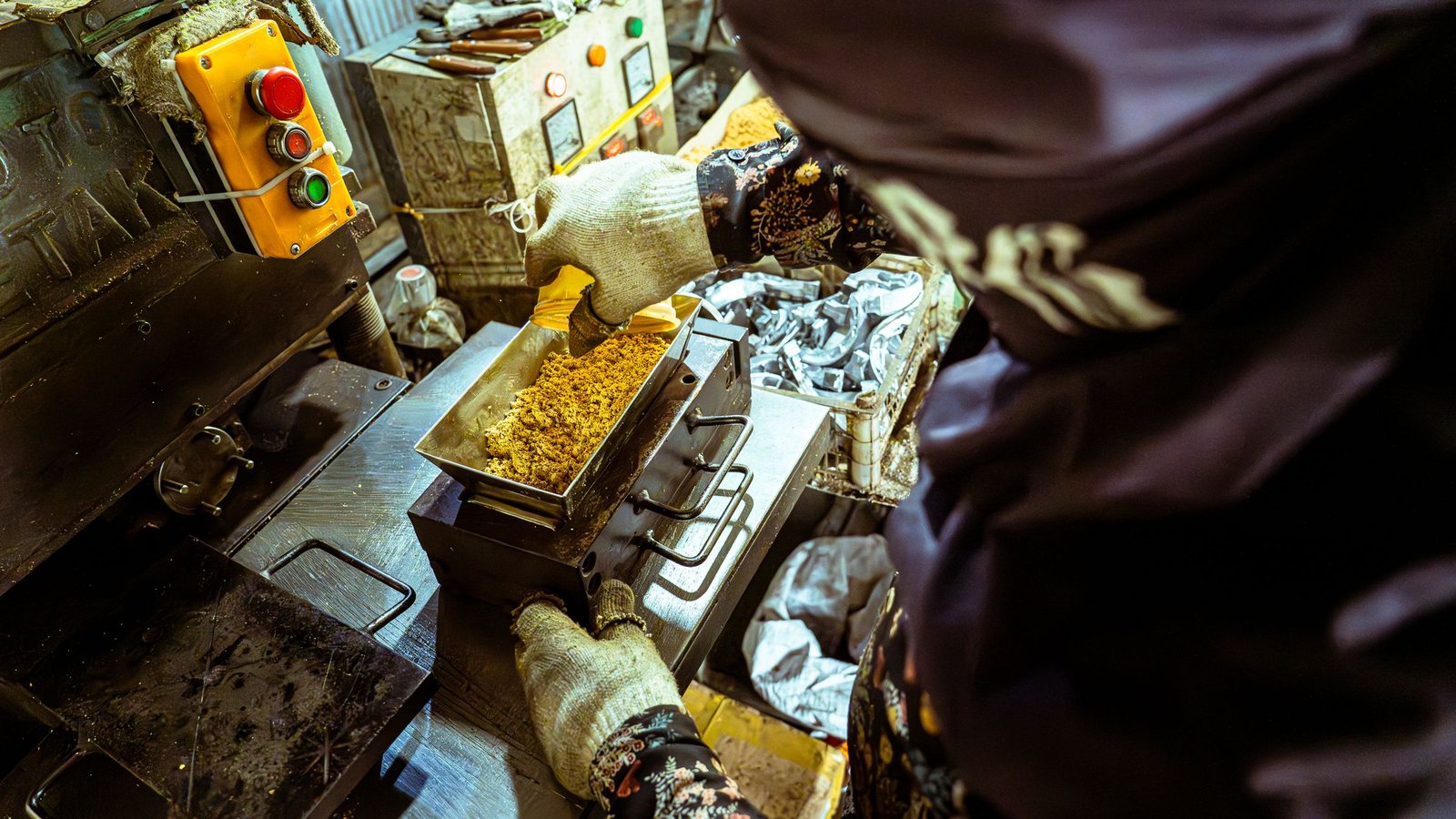
When surveying a food processing plant, it is often said that about 40% of production shift time is 'lost' to manual inspection steps. This figure sounds impressive but can be misleading, suggesting that simply replacing humans with machines is the solution. In reality, nearly half of that time is not lost due to a lack of personnel, but rather due to fragmented monitoring processes and disconnected data. This article dissects a specific process: hygiene safety checks in the processing area, examining where the bottlenecks are and where AI cameras can effectively intervene.
Where Humans Excel
Before discussing technology, it is essential to acknowledge that humans remain the decisive factor in evaluating complex situations. In the processing area, staff can detect unusual odors, feel the viscosity of raw materials, or observe a colleague's level of focus. These elements are difficult to encode into an algorithm.
In personal hygiene checks, requiring staff to wear masks, caps, and gloves is mandatory. However, checking for torn gloves or clean towels is typically done by the worker themselves or the area manager. They can immediately point out a worn-out glove that needs replacing. These tasks require flexibility and contextual judgment that machines cannot yet fully replicate. Therefore, the goal is not to eliminate humans, but to reduce their burden by removing repetitive, tedious, and error-prone tasks.
Bottlenecks in Manual Monitoring
The biggest issue with traditional methods lies in consistency. A shift supervisor may become inattentive after two hours of work. When another employee takes over, inspection standards may vary. Data on hygiene safety violations is often recorded in notebooks or entered into Excel in a fragmented manner. By the end of the shift, compiling this data takes considerable time and is prone to discrepancies.
Furthermore, detecting minor violations, such as wearing a mask incorrectly or entering a restricted area without hand sanitization, is difficult relying solely on a supervisor's visual inspection. In a large plant with dozens of entry points and processing zones, a single supervisor cannot monitor every angle simultaneously. The gaps between periodic checks create 'blind spots' where violations can occur undetected. This is precisely the gap that computer vision technology can effectively fill.
AI Cameras and Hardware Limitations
Deploying AI cameras in food processing areas presents several technical challenges. Factory environments often feature fluctuating lighting, steam, grease on lenses, and vibrations from continuously operating machinery. If the hardware is not robust enough, image quality degrades, leading to lower recognition accuracy.
An effective monitoring system requires edge computing capabilities to reduce latency and network load. Instead of sending all video to a data center, AI cameras can process violation events on-site and only send alerts with supporting images to the system. AIV Camera, one of Vietnam's enterprise AI solutions, is designed to optimize this, allowing existing IP cameras to be transformed into AI cameras without replacing the entire hardware infrastructure. This helps businesses save on initial investment costs, which is particularly important for plants in Vietnam, Thailand, and the Philippines looking to upgrade safety systems with limited budgets.
The Outcome for Monitoring Processes
Returning to the 40% 'lost' time mentioned at the beginning, we see that deploying AI cameras is not a magic wand that automates everything. Instead, it narrows the gap between manual checks. When an employee forgets to remove jewelry before entering the processing area, the system detects and alerts immediately, allowing humans to focus on more complex decisions.
The outcome of this process is not a plant without people, but a work environment where hygiene safety data is recorded continuously, accurately, and transparently. Humans remain at the center, supported by a pair of 'eyes' that never sleep. This is the most practical balance a deployment engineer expects when looking at the operating conveyor lines in the plant.
Every company hits this differently, and the hard part is usually the data rather than the model. To pressure-test your case quickly, talk to AIVISION - or first see how we deploy and what we have written before.