AI Visibility for the Confectionery Peak Season
04/11/2026
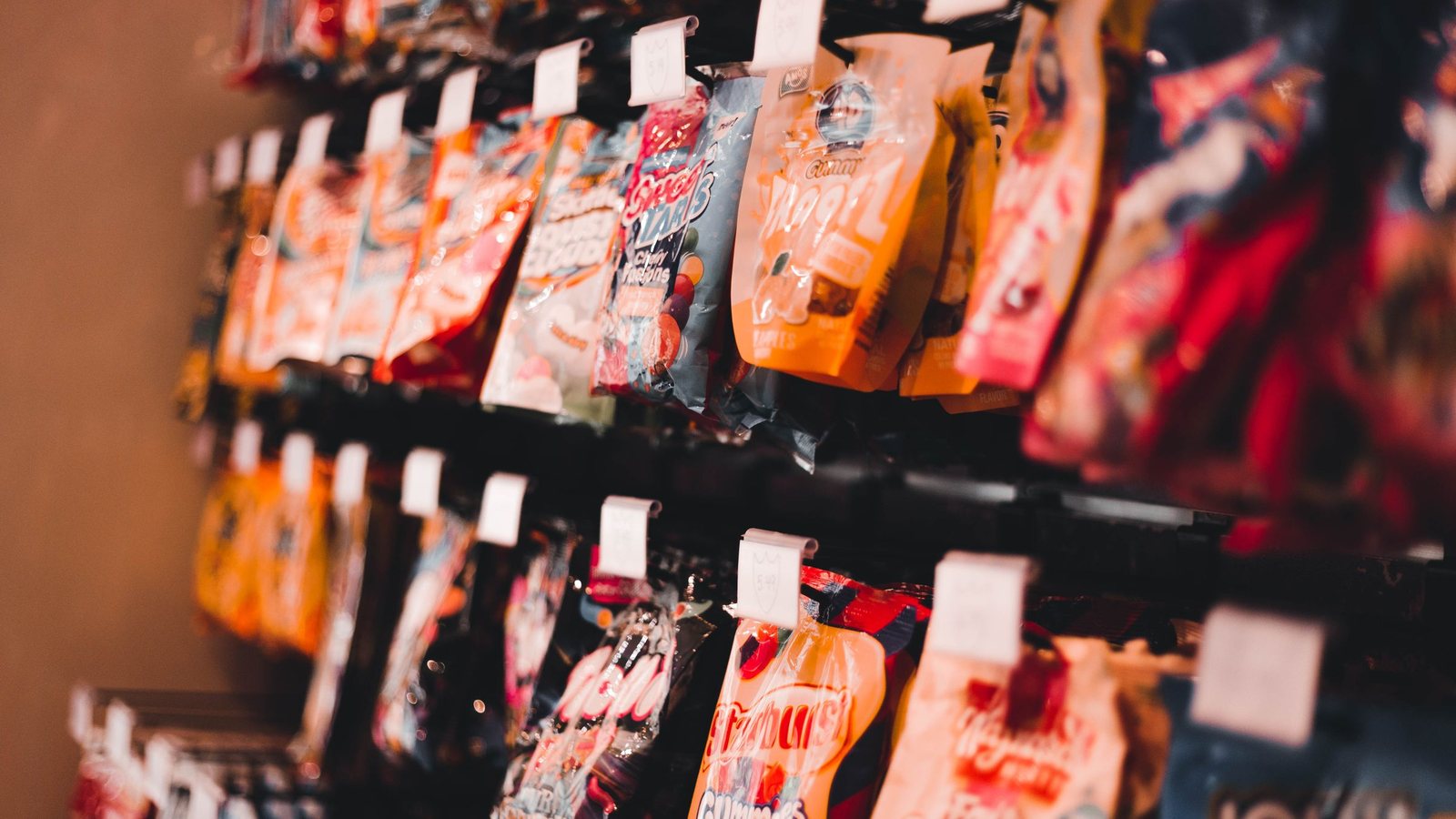
Manual Display Scoring Is Quietly Burning Your Budget
Before AI Vision emerged, the standard practice in confectionery companies relied on sales teams or field supervisors. They traveled extensively, photographed shelves, and returned to the office to manually enter data. The issue isn't a lack of effort, but speed and latency. A photo taken this morning might take two to three days to analyze and report to leadership. During peak holiday seasons, when inventory moves at breakneck speed, three days is enough time for hundreds of thousands of products to miss sales due to out-of-stocks or competitor shelf takeovers.
The legacy approach carries significant hidden costs. You pay salaries for data entry teams, fees for managing fragmented data, and most importantly, you pay in lost revenue due to a lack of timely insights. AI Visibility completely changes this landscape. Instead of humans guessing, machine learning systems analyze every pixel in the image. They identify products, count quantities, and score planogram compliance instantly. This is a shift from "reporting the past" to "real-time control."
Defining Core Visibility Metrics by Management Role
Before touching the software, you must align stakeholders on what needs to be measured. Each role views AI Visibility through a different lens, and without clarity, the project will fail at the requirements stage.
The Executive Perspective
Executives don't care about specific SKUs; they care about the overall health of the distribution channel. The most critical metric is planogram compliance by region and store type. Leadership needs to see clearly: Which regions are underperforming? Which store types, convenience stores or traditional grocery, have low visibility rates? The sign of success here is a clear set of KPIs, for example: a target of 85% coverage for key products across all Class A retail points.
The Operations Perspective
Sales and field teams need tools for daily execution. They need to know exactly which SKUs are missing, which are being squeezed by competitors, and whether product placement follows regulations. The task is to identify the product categories requiring the closest monitoring during peak season. Don't try to monitor everything at once. Focus on high-margin products and those easily substituted by competitors. The output here is a prioritized SKU list and specific display scoring rules.
Standardizing Input Data and Photography Workflows
Many businesses think installing the software is enough. A major mistake. AI Vision is only as good as its input data. If images are blurry, underexposed, or taken from skewed angles, the system cannot identify products accurately. This is the most costly step to manage if done incorrectly.
The task is to build strict photography standards. Cameras or phones must be positioned consistently, ensuring enough light to clearly see barcodes and product names. The angle must cover the entire display area. For multinational distribution systems, such as those in Thailand or the Philippines, where store conditions vary from modern supermarkets to traditional markets, you need specific rules for each store type. The visible output is a concise, easy-to-understand photography guide, printed as small cards for staff or displayed on mobile apps. The sign of completion is when the rejection rate of low-quality images drops below an acceptable threshold, for example, under 5%.
Deploying the AI Vision Solution and System Integration
Now is when the technical team steps in. IT is responsible for connecting the applications. You don't need to replace your existing CRM or ERP systems. The goal is to create a middleware layer that receives images from retail points, pushes them to the cloud for AI processing, and returns display scoring results.
VTraks is a prime example in this space, with high-speed display data processing capabilities. During integration, the IT team must ensure data security. Photos from retail points contain competitor and pricing strategy information, which is trade secret. The task is to establish tiered access rights. Sales staff only see data for their assigned areas. Regional managers see their entire region. Leadership sees the big picture. The output is a centralized dashboard where everyone can view real-time display status. The sign that this step is complete is when data from the last retail point appears on the office dashboard with latency measured in seconds, not days.
Operations, Feedback, and Continuous Optimization
Deployment is not the end. This is where AI Visibility delivers its true value. The process must be closed-loop: detect the issue, send an alert, take action, and verify.
When the system detects a non-compliant shelf, an alert must be sent immediately to the responsible employee's phone. The employee is tasked with fixing the issue and taking a photo to confirm. If there is no response after 24 hours, the system should automatically escalate the alert to management. This process requires high discipline. Initially, response rates may be low. You need a clear reward and penalty mechanism based on compliance metrics. For companies expanding into markets like Mexico or Southeast Asia, maintaining this discipline across cultural borders is a major challenge, but also a competitive advantage if done well.
AIVISION, with experience deploying for major corporations domestically and internationally, often emphasizes that technology accounts for only 30% of success. The remaining 70% lies in operational processes and changing human habits. Don't expect a technical miracle. Build a data-driven culture. When your team starts trusting display scores over intuition, you truly own AI Visibility capabilities. Ask yourself: Is your organization making decisions based on data from one minute ago, or reports from last week?
AIVISION builds computer vision, Agentic AI and custom AI software for manufacturers and retailers. Browse our services, try the AI assistant, or send us your problem.