When to Use AI Cameras for Product Quality Control
23/10/2026
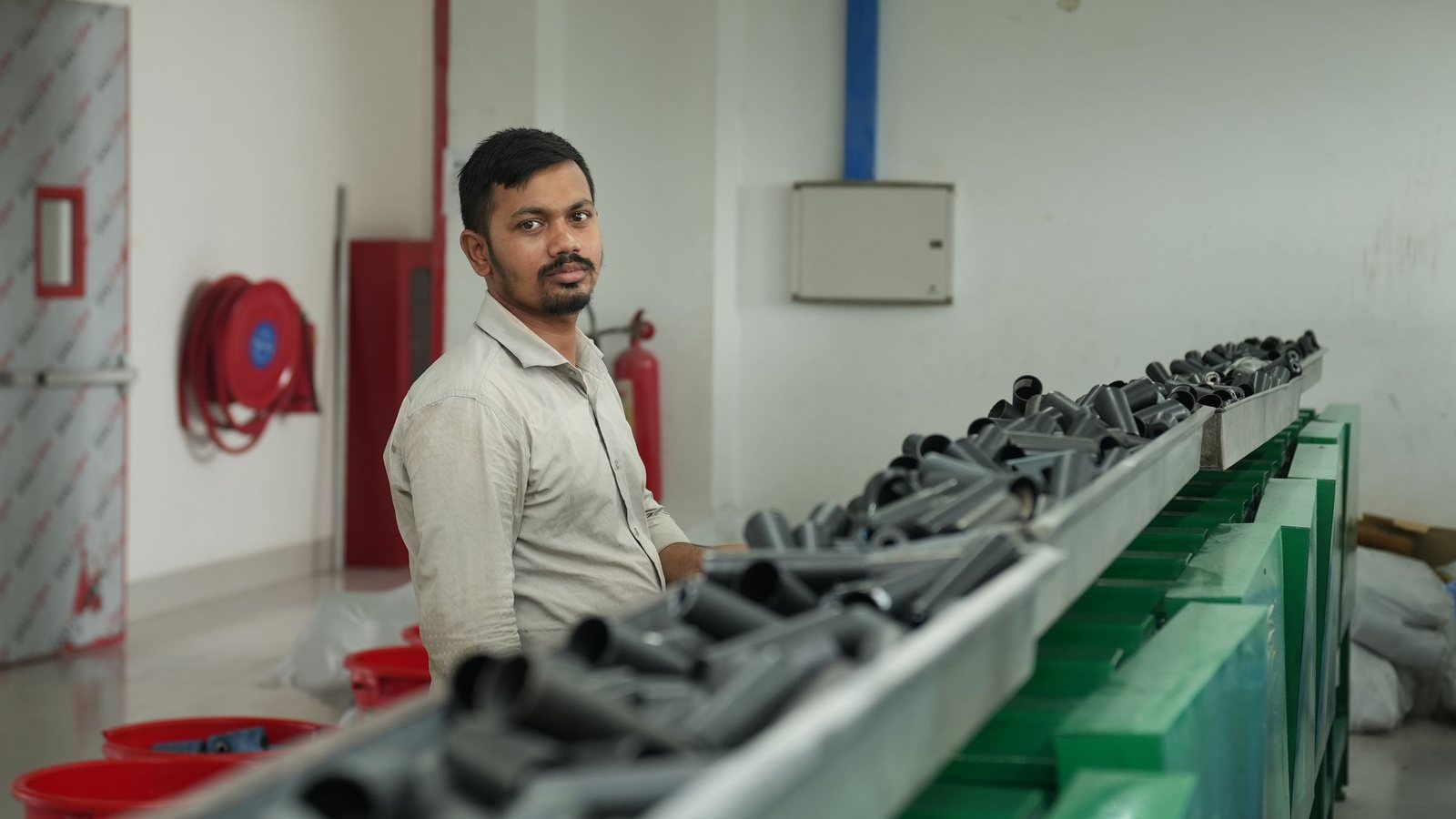
Many assume that installing AI cameras on a production line is the end of the story. They expect the system to automatically detect defects, reject faulty products, and minimize waste immediately. Reality is quite different. Often, the issue isn't the hardware, but the failure to clearly define the problem being solved. Before investing in machine vision, you need a clear framework to avoid falling into the trap of hidden costs.
When Should You Deploy AI Cameras?
This isn't a technical question; it's a process question. Leadership typically focuses on ROI and payback periods. They need to know if installing cameras will actually resolve production bottlenecks. If product defects are primarily caused by human oversight or production speeds that are too fast for the naked eye to catch, it's time to consider AI. However, a prerequisite is stable input data. Fluctuating lighting, obstructed camera angles, or transparent product surfaces will severely reduce accuracy. In factories in Vietnam or industrial zones in Thailand and the Philippines, the biggest challenges are often dust and vibration. If you haven't standardized lighting and camera placement, don't rush to deploy recognition software.
Perspectives from Operations and IT Teams
The operations team bears the direct impact. They aren't interested in complex algorithms; they just need to know if the system is stable and how to handle incidents. A good AI system must integrate seamlessly into existing workflows without adding unnecessary steps. For example, alerts should appear immediately on the operator's screen or be sent via Telegram/Zalo to the shift supervisor, rather than waiting for an end-of-day report. The IT team, on the other hand, worries about scalability and security. Real-time image processing requires robust computing infrastructure. If a company lacks a solid digital infrastructure foundation, deploying AI cameras can cause internal network congestion or conflicts with legacy SCADA systems. In this case, a hybrid solution, where some processing happens at the edge and some in the cloud, is often more practical than attempting to process everything locally.
Common Questions
How often do AI cameras need maintenance?
There is no fixed number. However, in factory environments, lens dust should be checked weekly. Recognition algorithms may need re-calibration whenever new product types are introduced or lighting conditions change significantly.
Do I need to replace old cameras?
In many cases, no. If your current IP cameras have sufficient resolution (typically 2MP or higher) and the right field of view, you only need to install the AI recognition software. This saves significant hardware costs.
What if the internet connection drops?
The system must be designed to operate independently at a basic level. Alert data should be stored locally and synced to the server when the network is available. Relying entirely on the cloud poses a significant risk to continuous production lines.
When to Stop
There is one situation where I advise stopping immediately: when quality issues can be resolved by retraining staff or simple mechanical adjustments. If defects arise from worker skill levels or worn-out molds, installing AI cameras is just a way to mask the root cause. It's like putting a band-aid on a cracked wall without fixing the structure. In these cases, the cost of AI won't yield proportional value. Instead, focus on 5S and preventive maintenance. Only when physical and human factors are optimized will AI cameras truly serve their role as a second line of defense, monitoring microscopic defects that the naked eye easily misses. This is the thin line between a smart solution and a wasted expense.
If you are weighing up a similar project, our team can help you scope it before you spend anything. See what we build or book a conversation.