AI Traffic Camera: Critical Errors in AI Monitoring
21/10/2026
The meeting where everyone is right, but everyone is wrong
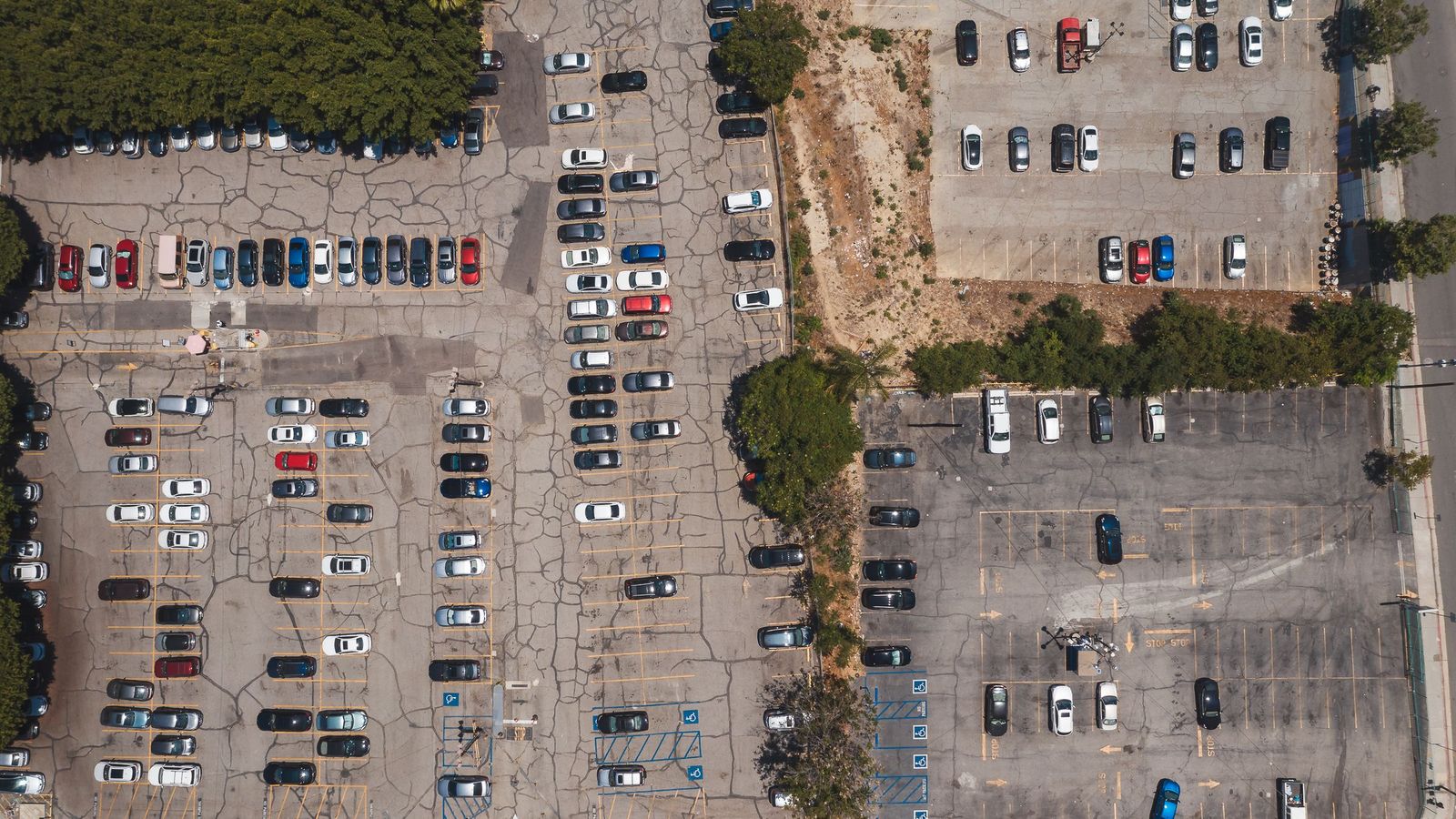
Imagine a Tuesday afternoon meeting at a large warehouse in Binh Duong. The Head of Operations points at the screen: "We are losing about 15% of truck time just waiting to enter and exit. I need AI cameras that count vehicles precisely to the second." The Head of Security immediately pushes back: "Vehicle counters can count cars, but how do they know who is inside? If an incident occurs, I need facial recognition of the driver. Our current IP cameras are sufficient; there is no need to replace expensive hardware." The IT lead is worried about something else: "Our current camera system is five years old. If we add computer vision software, will it crash our internal network?" All three have a point. But this debate repeats at hundreds of factories and warehouses from Vietnam to Thailand and the Philippines. The issue is not about choosing the right technology, but rather a fundamental misunderstanding of the role of AI Cameras in supply chain operations. The market is shifting from "security monitoring" to "performance monitoring," and this is the time for businesses to re-evaluate their outdated assumptions.
Three common mistakes when deploying AI traffic cameras
Mistake one: Treating AI cameras as purely security devices.
Many businesses buy AI surveillance systems solely for intrusion detection. They overlook the ability to count people and vehicles entering and exiting through gates. The real consequence: You know a vehicle has entered, but you don't know how long it stays, nor can you distinguish between heavy-duty trucks and forklifts. This is golden data for optimizing truck schedules. The fix: Require the AI Camera system to record the dwell time of each vehicle. AIV Camera, one of the solutions developed by AIVISION, runs on over 1,000 existing IP cameras with this capability, turning raw data into operational insights without replacing old hardware.
Mistake two: Believing that 99% accuracy is enough for all situations.
In warehouse environments, lighting changes, vehicles obstruct each other, and there is rainy, dusty weather. The 99% figure sounds high, but with 1,000 vehicle movements per day, a 1% error rate means 10 vehicles are miscounted. This is enough to skew KPI reports and cause internal disputes. The real consequence: The operations department loses trust in the data and reverts to manual counting by staff. The fix: Don't just ask about average accuracy. Ask about stability under difficult conditions. Modern computer vision technology needs a self-check mechanism for image quality. If the system detects a blurry or obstructed image, it must issue a warning instead of guessing. AIVISION focuses on ensuring alerts occur within 1 second, but more importantly, on the reliability of those alerts in real-world environments.
Mistake three: Ignoring real-time alert integration.
Many systems only store data. You have to open the dashboard at the end of the day to know how many vehicles came yesterday. But if a truck is queuing for too long and causing a bottleneck at the main gate, you need to know right then. The real consequence: Missed opportunities for timely intervention, slowing down the entire inbound/outbound process. The fix: The system must push alerts directly through daily work channels like Telegram, Zalo, or a web dashboard. When traffic exceeds a threshold, the person in charge needs to receive a notification immediately. This is not a "nice-to-have" feature, but a critical requirement for real-time operations.
Frequently Asked Questions
Can AI cameras replace security guards?
Not entirely. AI Cameras help automate repetitive tasks such as counting vehicles and detecting intruders. However, handling complex incidents and communicating with drivers still requires humans. It is an assistant, not a replacement.
What are the deployment costs of AI cameras compared to buying new cameras?
Usually significantly lower. Since many systems like AIV Camera operate on existing IP cameras, you only need to invest in software and data processing. This reduces capital expenditure and hardware installation time.
How long does it take to see results?
Alerts work immediately after installation. However, to have enough data for trend analysis and process optimization, it usually takes 1 to 3 months of stable operation.
Blind spots you need to check before signing a contract
Before agreeing with any vendor, ask this question: "If the camera is blinded by morning fog, what will the system do?" If the answer is "I will guess
AIVISION helps enterprises turn AI into working systems. Explore our enterprise AI solutions, read more on the AIVISION blog, or talk to our team about your own use case.