AI Camera Budget: Hidden Costs & Realistic ROI
20/10/2026
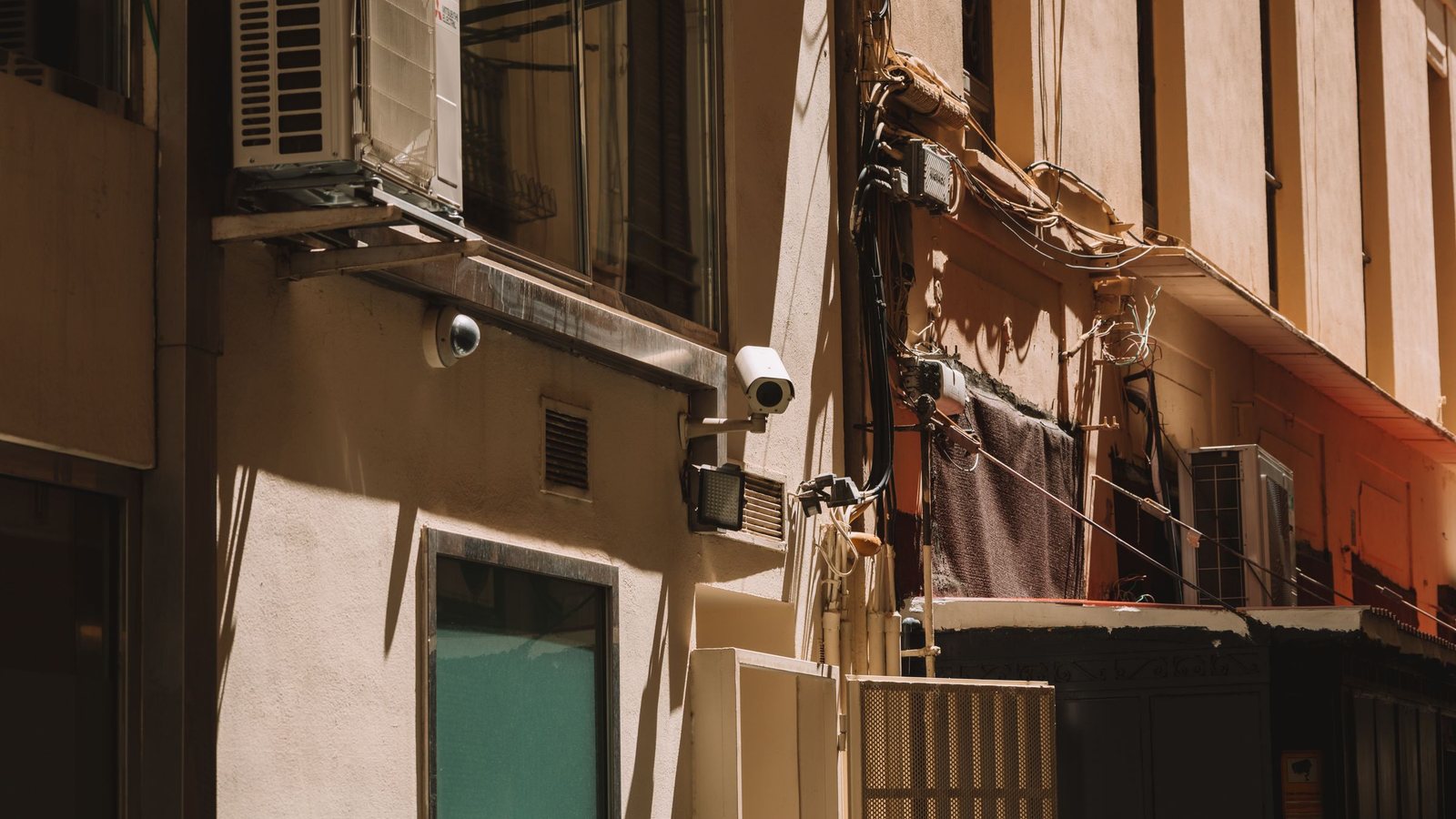
The Old Way Is Quietly Eroding Your Budget
Many factories still rely on standard IP cameras and human monitoring staff. While this sounds manageable, the hidden costs of this approach are the real issue. You must pay salaries for people to watch screens throughout their shifts. However, humans cannot maintain focus continuously for eight hours. A few seconds of inattention is enough to miss an employee forgetting to wear protective gear in a hazardous area.
The cost isn't just personnel wages. It includes incident handling, investigation time, and legal risks when accidents occur. Compared to investing in an AI monitoring solution, the old method may seem cheaper initially, but the total cost of ownership (TCO) is significantly higher over time. This is a blind spot that many finance departments often overlook when approving budgets.
Financial Costs: The Items You Will Likely Overlook
When proposing an AI camera purchase, price lists often only include software or services. But for smooth operation, you must account for many other factors. First is network infrastructure. AI cameras require stable bandwidth to transmit video data and process images. If your factory or warehouse network is weak, you will need to upgrade switches or add transmission lines. This can account for one-third of the total technical budget if not prepared in advance.
Next are storage and processing costs. Alert data and evidence photos of labor protection violations need systematic storage. You must calculate storage capacity for at least 3 to 6 months to support traceability. Don't forget integration costs. Do you want alerts via Zalo, Telegram, or email? Do you want data automatically pushed to attendance or ERP software? Each integration point requires programming and testing time. These are additional costs often not clearly stated in initial quotes, leading to budget overruns of 10 to 20 percent.
Time Costs and Internal Trust
Deployment time is not just the number of days technicians spend installing. It is the time required for safety and operations teams to accept the new technology. Employees may react negatively if they feel overly monitored. Middle managers may doubt the accuracy of AI, leading to a parallel situation: using AI cameras while still keeping human monitors. This phase can last from a few weeks to several months. If not handled well, the investment's effectiveness will be severely reduced by silent internal resistance.
Trust costs also include training time. Management teams need to understand how to read alerts from AI cameras and how to distinguish real alerts from false positives (if any). This requires patience and internal resources. Many projects fail not because the technology is poor, but because people do not adapt their workflows accordingly. You need to budget for time spent on meetings, training, and post-deployment technical support.
Quick Answers
Do I need to replace all my old cameras?
No. AIV Camera is designed to turn existing IP cameras into AI cameras without replacing hardware. This saves you significantly on initial investment costs compared to purchasing a completely new system.
How long does it take to see ROI from accident reduction?
There is no fixed number. However, with a published accuracy of 99% and alerts under 1 second according to aivcamera.com, you can estimate based on the average cost of a workplace accident versus system maintenance costs. Many businesses see results in the first year by minimizing minor violations that lead to major accidents.
Can it integrate with existing attendance software?
Yes. The system supports exporting alert and face recognition data to other systems. You need to work with the technical team to determine APIs and data formats compatible with the attendance software used in your organization.
How to Calculate Realistic ROI
To evaluate the return on investment in AI cameras, start by listing current costs related to workplace safety: monitoring staff salaries, incident handling costs, insurance costs, and any fines. Next, estimate the reduction in these costs when applying AI. For example, if you reduce monitoring hours by half, that is a specific saving. Then, compare this with the initial investment and monthly operating costs of the AI camera system.
Don't forget intangible values such as executive peace of mind, a professional image in the eyes of partners, and proactive compliance with labor safety regulations. A pragmatic approach is to consider ROI based on preventing one serious accident. The cost of an accident can be two or three times the total annual technology investment budget. When viewed from a risk perspective, investing in AI cameras and computer vision is no longer a luxury, but a smart insurance policy for your assets and people.
AIVISION builds computer vision, Agentic AI and custom AI software for manufacturers and retailers. Browse our services, try the AI assistant, or send us your problem.