Retail AI & F&B Chains: Stop Old Methods, Optimize Operations Now
26/08/2026
Old Methods Are Eroding Your Profits
Directors, let's review how we operated three years ago. The sales department submitted Excel files forecasting next month's revenue based on... intuition and last year's experience. HR scheduled shifts based on fixed leave calendars, regardless of actual customer traffic. Warehouses hoarded raw materials for fear of stockouts, while one-third of that inventory expired.
That is the old way. It is safe. It is familiar. But it is expensive. The hidden costs here are not in software, but in wasted manpower, dead stock, and missed sales opportunities. You double the manual effort yet make decisions slower than your competitors.
The new way is not about replacing humans with robots. It is about using Retail AI to process massive data volumes, enabling more accurate and faster decisions. We do not need prophets. We need data.
The First Fork in the Road: Store-Level Revenue Forecasting
You face a choice: continue using chain-wide averages or accept the volatility of individual store performance?
The old method averages data from 50 stores to create a plan. The result? Store A in central Hanoi runs out of stock, while Store B in a rural province sits with excess inventory. The new method uses AI to analyze each store individually. It considers weather, local holidays, and even surrounding events.
What is the trade-off? You lose the simplicity of a single aggregate number. You must accept the complexity of input data. However, in return, you reduce dead stock by approximately 20% and increase product availability. I have seen major F&B chains in Thailand and the Philippines adopt this model. They no longer rely on 'intuition.' They know exactly how many bottles of beer to order for tomorrow at each outlet.
The Second Fork: Flexible vs. Rigid Staff Scheduling
Personnel is the largest cost in F&B and retail chains. The question is: Do you schedule shifts based on a fixed timetable or on customer traffic forecasts?
Following the old path, you have a fixed schedule. During peak hours, you are understaffed, and customers wait. During off-peak hours, you are overstaffed, with employees sitting idle. Labor costs are severely wasted. The new path uses AI to forecast customer volume by actual time slots and automatically suggest work schedules.
This is the most controversial fork. Employees may complain about changing schedules. Middle management loses scheduling autonomy. But if you do not act, you will lose on cost efficiency. By accepting the initial change, a company can gain true flexibility. With AI, you do not need to overstaff at 7 AM when no customers are present.
The Third Fork: Manual vs. AI Camera Material Control
In the kitchen or warehouse, do you trust manual reports or visual evidence?
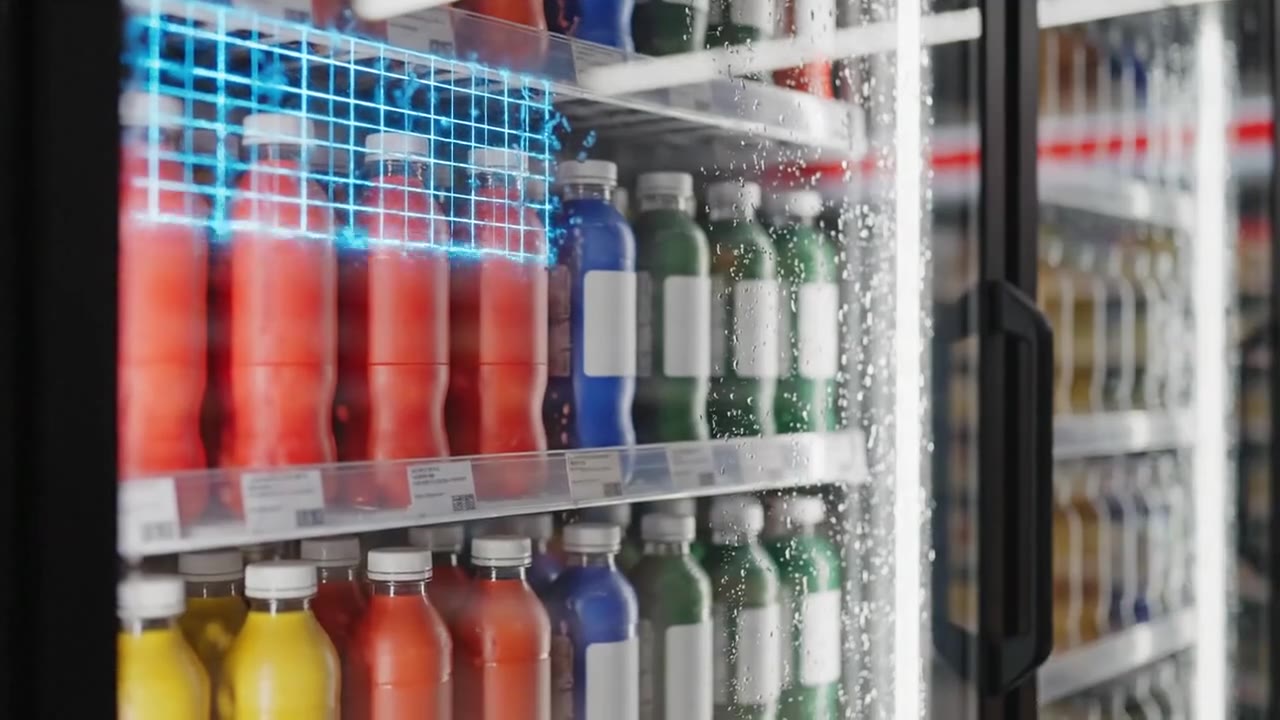
The old method relies on daily inventory sheets. Staff enters data; managers check it. Errors are inevitable. Internal theft occurs unnoticed. The new method installs smart cameras using Computer Vision to count stock, detect waste, or identify non-compliant procedures.
The trade-off here is hardware costs and privacy concerns. You are placing 'eyes' everywhere. But consider this: if you reduce material shrinkage by 5% monthly, that investment pays for itself in less than a year. For example, when food portion control is automated, you no longer depend on what the naked eye happens to catch, because every action is recorded.
The Fourth Fork: Proactive vs. Passive Customer Experience
Do you want customers to find information themselves, or do you proactively deliver the right information at the right time?
The old way involves placing a kiosk or a receptionist to answer repetitive questions. Customers wait; staff gets tired. The new way uses AI Chatbots or Agentic AI to interact naturally, suggest dishes, place orders, and even resolve complaints instantly.
Many executives still think Chatbots are rigid and give canned responses. That is technology from five years ago. Today's Agentic AI understands context and can link with inventory systems to report item availability. The trade-off is investing in training the AI to understand your products. Without it, it will give wrong answers. But if done right, you can serve 1,000 customers simultaneously without hiring a single extra employee.
When Does AI Become a Burden Instead of a Solution?
I must be direct: AI is not a magic cure. If your input data is garbage, your output will be garbage. If your basic operational processes are chaotic, AI will only help you become chaotic faster.
Do not deploy AI if you have not standardized product codes or synchronized data across stores. Do not buy custom AI software if you have not defined the specific problem to solve. Successful AI projects usually owe their success not to the most advanced technology, but to cleaning up data before running AI.
Optimizing operations with AI is a journey, not a destination. It requires patience, a mindset shift, and most importantly, honesty with your own data.
Frequently Asked Questions
What is the cost of deploying AI for a retail chain?
There is no fixed figure as it depends on scale, number of stores, and problem complexity. It could be a simple SaaS package for forecasting, or require hardware camera investment and deep ERP integration. Specific consultation is needed for an accurate quote.
Will AI completely replace accountants or warehouse managers?
No. AI is a tool for decision support and automating repetitive tasks. It helps employees work more efficiently with fewer errors, but roles involving supervision, exception handling, and strategy remain human.
How long until results are visible after implementation?
The initial phase takes 1-3 months for data collection and model training. Significant results in inventory reduction or workforce optimization are typically seen after 3-6 months of stable operation. Results do not arrive immediately without proper preparation.
AIVISION helps enterprises turn AI into working systems. Explore our enterprise AI solutions, read more on the AIVISION blog, or talk to our team about your own use case.