AI Camera for Employee Monitoring: Privacy & Tense Meetings
24/11/2026
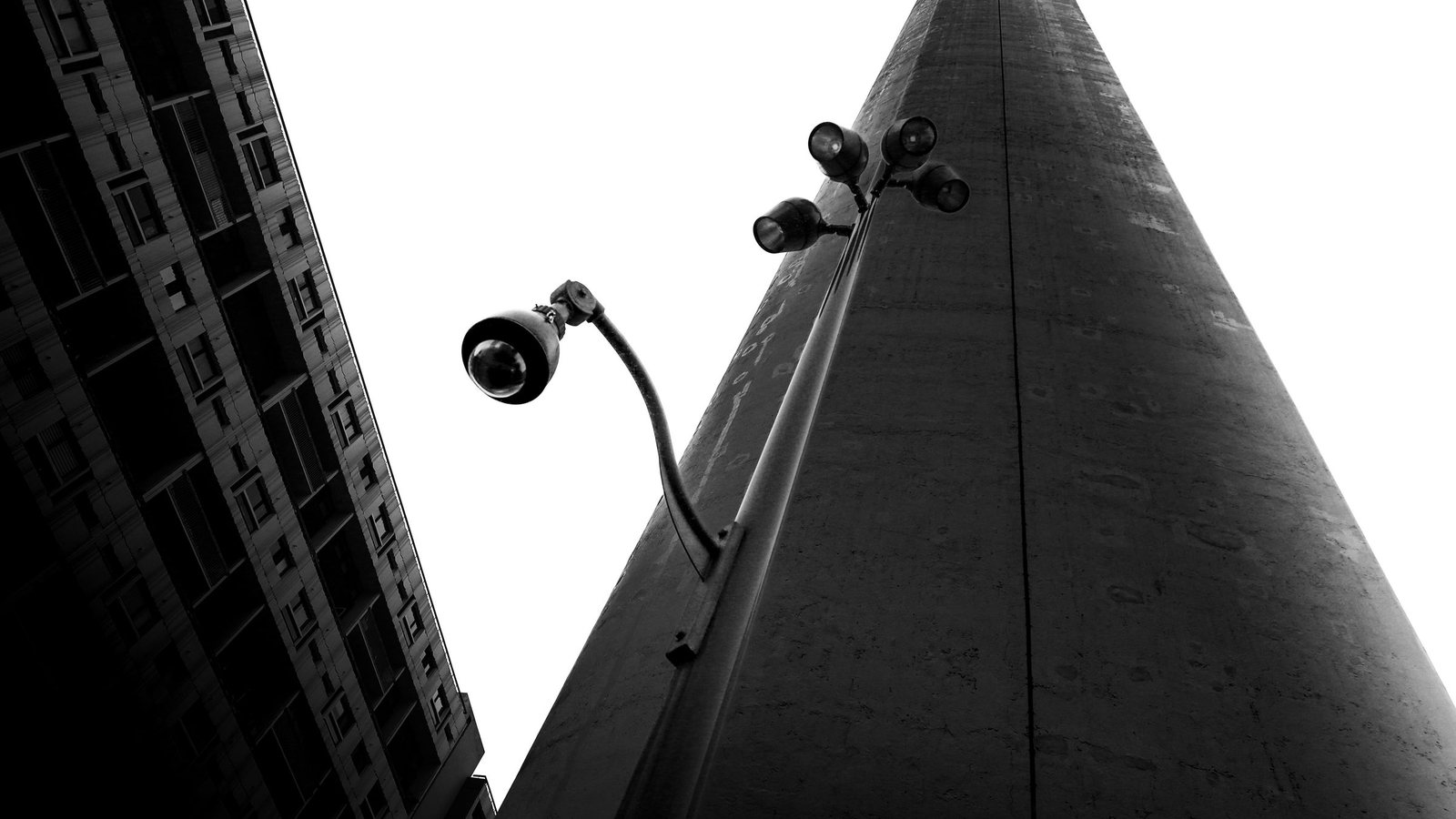
The Old Camera and the Legal Team Meeting
It was a rainy Tuesday afternoon in Ho Chi Minh City. The fifth-floor meeting room was cramped, filled with the smoke from the IT department head's cigarettes and the heavy silence of the legal team. Before everyone sat an old, weathered IP camera, the kind installed at the warehouse gate three years ago. The issue wasn't whether the device worked, but the fact that we intended to install facial recognition software on it.
The youngest lawyer in the room stood up, voice slightly trembling: "If we use AI Cameras for attendance, where is that biometric data stored? Have employees given consent? If it leaks, who is liable?" That question hung in the air all afternoon. That is why I am sitting here writing these lines. Not to sell a product, but to share what we have encountered when deploying computer vision into real working environments, where people are the most vulnerable element.
What People Say About Biometric Data
In theory, all technical documentation states that data from AI cameras must be encrypted at the source. Software providers, including AIVISION, often emphasize on-premise processing or end-to-end security. It sounds reassuring. People believe that if installed correctly, the data will be absolutely safe.
However, reality shows that the complexity lies in operations, not encryption. The biggest issue is not external hackers, but internal access. Do IT staff have access to the database? Who is permitted to review intrusion alert footage? When an employee is suspected of violating company policy and HR requests to review video from three months ago, is that process monitored?
We have noticed that companies often overlook access control. They treat AI Cameras as passive devices, but they are actually dynamic data systems. Without regular audits of who has accessed the data, the risk of leakage is very high. This is something marketing materials rarely mention, because it is not as "cool" as features boasting 99% accuracy.
Reality from a Factory in Binh Duong
We once deployed a Personal Protective Equipment (PPE) monitoring system for an electronic component manufacturing plant in Binh Duong. The goal was simple: detect employees not wearing helmets or high-visibility vests. Initially, we planned to store all facial recognition images for attendance and violation verification.
By the second month, employees began to object. They were worried that the cameras would monitor all their behavior, including breaks and private conversations. After an internal survey, we decided to change our strategy. We disabled the continuous face storage feature. Instead, the system only logged events when a PPE violation was detected, accompanied by a small frame and timestamp. Attendance data was moved to a separate, completely isolated system.
This decision sacrificed some of the system's "comprehensiveness" but earned the trust of the employees. The PPE violation rate dropped because they knew they were being monitored for protection, not surveillance. This was a costly lesson: sometimes, abandoning a technological feature is the best way to maintain corporate ethics.
The Limits of Computer Vision and Transparency
Many businesses think that once AI cameras are installed, everything is under control. They ask: "Why can't the camera detect an employee using a phone?" The answer lies in the physical and algorithmic limitations.
Computer vision operates based on patterns. If the camera angle is too skewed, lighting changes abruptly, or objects are obscured, accuracy decreases. Forcing the system to identify every minor policy violation often leads to many false positives. In that case, the security department becomes overwhelmed with meaningless alerts, and trust in the system collapses.
We advise clients to limit the scope of monitoring. Focus only on truly serious risks: unauthorized access, lack of PPE, or emergency situations. For minor policy violations, human intervention and corporate culture remain more effective. Do not turn the factory into a digital prison. Transparency about what the cameras are and are not monitoring is more important than image resolution.
Key Takeaways for Deployment
Deploying AI Cameras is not just about installing software. It is a risk management process. Here are the points we always emphasize to clients:
- Clear Notification: Place signage in all areas with AI cameras installed. Employees need to know they are being recorded and the purpose of it.
- Data Segregation: Security, attendance, and production data should be stored separately. Consolidating them increases security risks.
- Data Deletion Policy: Set automatic deletion timelines for footage. There is no need to keep surveillance video for years. 30 to 90 days is usually sufficient for internal investigations.
- Manager Training: Managers need to understand the limits of AI. They should not use camera results as the sole evidence for disciplining employees without further verification.
We continue to collaborate with major partners like Masan and VNG, but every project begins with the question: "Does this respect people?" If the answer is no, we propose an alternative. Technology serves people, not the other way around. In this field, caution is not a factor that slows progress, but a prerequisite for the system to exist sustainably.
AIVISION helps enterprises turn AI into working systems. Explore our enterprise AI solutions, read more on the AIVISION blog, or talk to our team about your own use case.