AI Visibility & Display Scoring: Don't Trust Perfection
19/11/2026

The Illusion of Absolute Replacement
Many leaders believe in a simple scenario: install AI Visibility, implement display scoring, and fire the field monitoring team. They assume that if machines can see everything, humans are no longer needed. This is the most common misconception I encounter when consulting with major brands.
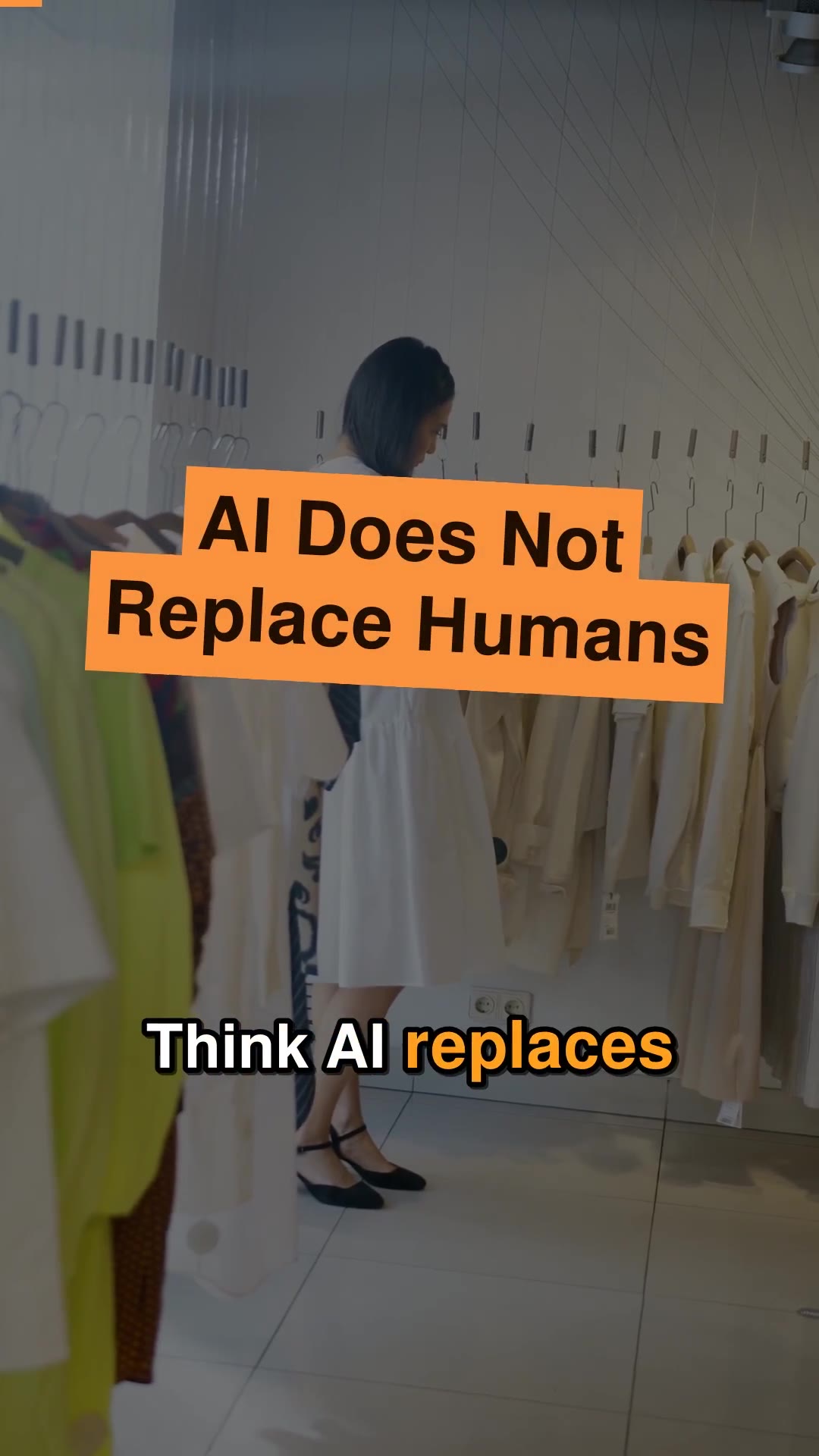
Real-world deployment in Vietnam, as well as in neighboring markets like Thailand and the Philippines, tells a different story. AI is not a replacement for field supervisors. It is a tool that transforms them from paper-chasers into data managers. If you believe AI can automate the entire point-of-sale control lifecycle without human intervention, you are setting the wrong expectations from the start. The result will be operational chaos and leadership skepticism regarding the system's reliability.
The core issue lies in context. A photo of a shelf in a large supermarket in Hanoi is completely different from a small mom-and-pop store in a rural province. Lighting, camera angles, clutter, and even the intent of the sales staff (merchandisers) all affect input data quality. AI is excellent at pattern recognition, but it struggles to understand "why" stock is missing or "why" prices are incorrect. That is the job of field supervisors, who must leverage their local experience to handle these nuances.
The Real Cost: Money, Time, and Trust
To properly assess the value of AI Vision in display management, we need to separate three types of costs that most marketing reports ignore.
Where the Money Goes
Technology costs are just the tip of the iceberg. Deploying an AI display scoring system requires investment in data infrastructure and image collection processes. You are not just paying for software. You are paying to ensure high-quality input data. If your field team (on-ground staff) continues to take sloppy photos, uses outdated images, or screenshots from other devices, you are burning money on a system where the input is garbage. Based on deployment experience, the cost of retraining photo-taking processes and monitoring input quality is often equal to, or even greater than, the software licensing cost in the first year.
Specifically, in markets like Mexico or the Philippines, where distribution network costs are high, optimizing sales staff travel costs through AI data is the biggest saving. But to achieve this, you need an AI platform that is fast and accurate enough. Modern systems like VTraks, with published accuracy up to 99.97% and processing speeds under 1 second per image (according to vtraks.com), are helping shorten the feedback loop from weeks to hours. This turns data from a "past report" into a "real-time coordination tool".
Where the Time Goes
Time is not just about data processing; it is about building trust. Initially, when applying AI Visibility, the trust of sales team leaders in the system is very low. They will compare AI results with their own perceptions. When there are discrepancies, no matter how small, they will doubt the entire system. The process of "training" humans to trust this machine can take 6 to 12 months. During this period, you still need to maintain both manual and AI checks in parallel. This is the most time-consuming and management-resource-intensive phase.
Integrating AI into existing processes also takes significant time. Legacy CRM and ERP systems often lack good APIs to connect with new AI platforms. Making data from cameras or field photos flow smoothly into management dashboards is a complex technical challenge. If your internal IT team is weak, you will have to hire a third party, extending deployment time and increasing data security risks.
Where Internal Trust Goes
Trust is the most fragile asset. When AI starts "pointing out" sales staff errors, resistance will arise. Employees will feel overly monitored and deprived of autonomy. If you do not clearly explain that AI Visibility aims to support (e.g., early detection of stockouts for timely replenishment) rather than just punish, you will face passive sabotage. Employees may intentionally take photos from bad angles or fail to take photos when errors occur. No matter how intelligent the AI system is, it cannot distinguish between "errors due to forgetfulness," "errors due to malice," or "errors due to objective circumstances".
This is when the human role becomes most important. Field supervisors are no longer just inspectors; they are data interpreters. They use AI to identify problems, then use soft skills to resolve issues with the store. If you ignore this human aspect, you will have an accurate AI system that is useless in practice.
Technology Limits and What Can Go Wrong
We need to be honest about what AI Vision cannot do. AI cannot replace human interaction in negotiations with store owners. A beautiful display screen or good placement is not just a technical issue; it is a relationship issue. AI can score displays based on planograms, but it cannot know that the store owner agreed to change that position for a local strategic reason known to the sales staff but not to the system.
Furthermore, data is a continuous battle. When competitors change display strategies, or when the market changes (e.g., new product launches, seasonal shifts), AI training models need to be updated. If not, accuracy will gradually decrease. Many businesses think one deployment is enough. That is a mistake. AI Visibility needs to be "nurtured" and adjusted continuously. If you do not have the budget and resources to maintain this, the system will quickly become obsolete.
Especially in the context of Vietnam, where regulations on personal data and security are becoming increasingly strict, storing and processing images containing faces (if any) or sensitive geographic locations must comply with the law. This is a legal risk that many startups or internal IT departments often underestimate. Ensure that your AI provider, whether AIVISION or any other entity, has clear security and compliance measures. Do not let a small saving in technology costs lead to a major legal risk.
Technically, be wary of promises of "100% accuracy." In reality, even the best systems have error rates. With VTraks, the figure of 99.97% (according to vtraks.com) is impressive, but the remaining 0.03% on millions of photos per month is still hundreds of errors requiring human review. Accepting this limit is the key to effective operation. Do not let the illusion of technological perfection obscure the need for human quality control processes.
Final Verdict
AI Visibility and display scoring are not a replacement, but an upgrade. It turns discrete data into a continuous information flow. The real value does not lie in removing humans, but in freeing them from repetitive tasks to focus on value-added activities that machines cannot do: building relationships, resolving conflicts, and making strategic decisions. If you are looking to cut headcount with AI, you will fail. If you use AI to double the performance of your existing team, you will succeed. The market does not need supervisors who know how to take photos; it needs point-of-sale managers who understand data.
If you are weighing up a similar project, our team can help you scope it before you spend anything. See what we build or book a conversation.