Competitor tracking at the point of sale: prices, combos, launches
05/10/2026
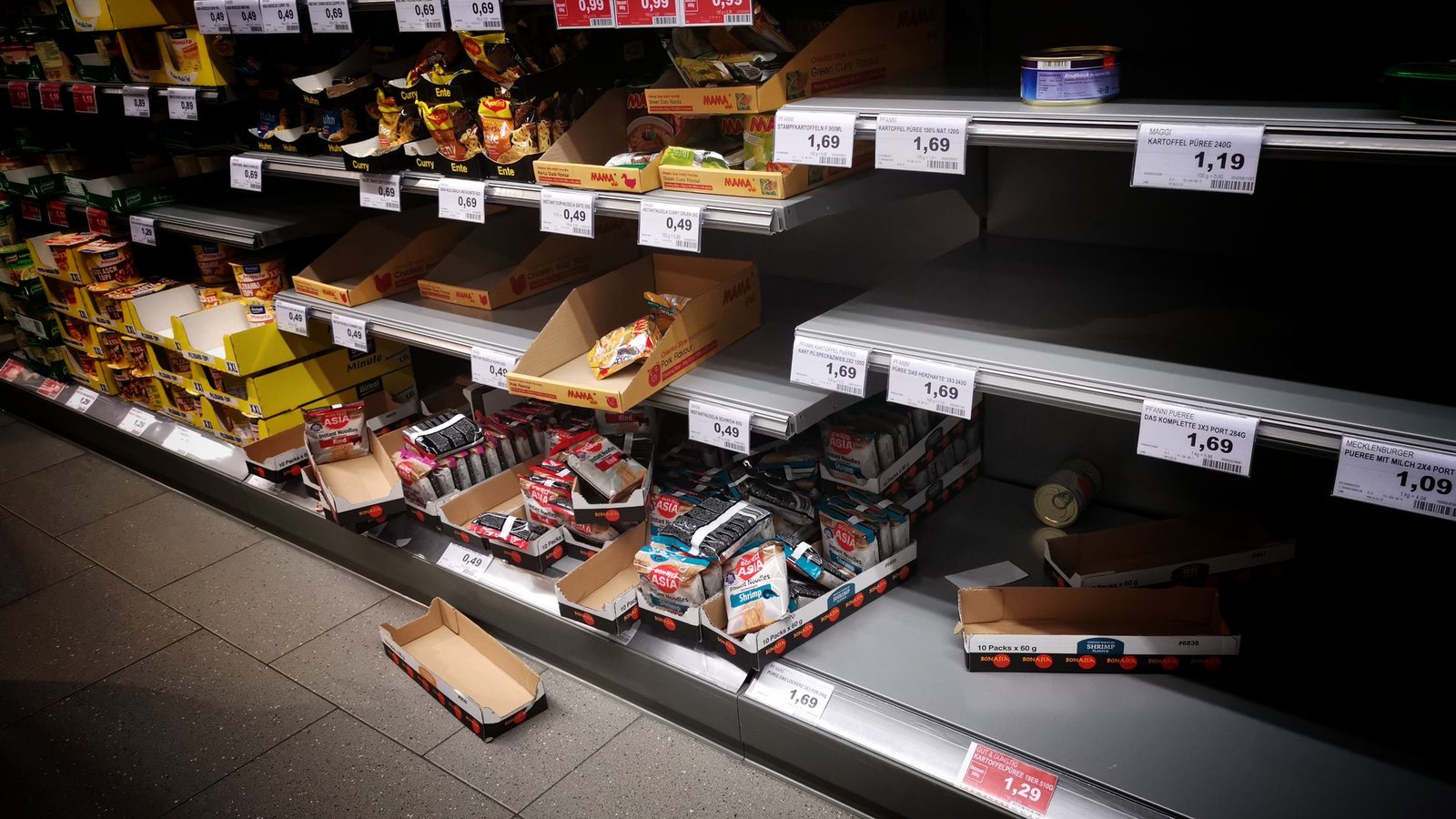
Competitors launching a new product rarely send you a press release. They put it on the shelf, quietly, with an introductory price and a bundled gift. By the time the news reaches the office through a call from a distributor, their program may already have been running for weeks.
That's why competitor tracking at the point of sale usually runs a step behind. The irony is that your field rep may already have been standing in front of that exact shelf, taking a photo to check your own display. With VTraks, that same scan scores the planogram for your products and also records what's happening around them: competitor products, prices, combos and new launches.
One photo, two kinds of answers
A traditional display audit asks one question: are our products where the layout says? But a shelf photo holds more than that, because it captures the neighbors too. VTraks detects competitor products, prices, combos and new products in the same scan used to score compliance. No extra visit, no extra form for reps to fill in by hand at the end of the day.
For a field team, this difference is bigger than it sounds. Ask someone to fix the shelf, take the photo and type competitor prices into a spreadsheet, and the price entry is always the part that gets rushed. Not out of laziness, but because it sits at the bottom of a long day's to-do list.
There's another benefit people rarely notice: competitor data gets recorded to the same standard in every store. When it's typed by hand, one rep writes “soda can” while another writes the full name with the pack size, and at month's end someone loses a whole afternoon just reconciling the two. When the AI recognizes products at SKU level, the same product always goes by the same name.
Four signals worth tracking
Competitor products on the shelf
Who is standing next to your products, in which stores, in which channels. When this data comes from your regular audits, you get a map of competitor presence that updates at the pace of your visits, instead of a survey done once in a while and then left in a drawer.
Shelf prices
The actual price at the point of sale often differs from the recommended price list. Seeing that gap by area helps answer questions like: where is the competitor discounting, how long has it been going on, and are our own stores selling above the recommended price?
Combos and promotions
Buy two get one free, twin packs, gifts on the side. Combos are a way to compete without touching the list price. Spotting them right on the shelf tells you where the promotion battle is heating up.
New products
The most valuable signal, and often one that shows up on the shelf before it appears in any report. An unfamiliar SKU appearing in a cluster of stores may be the sign of a test market. Knowing earlier gives you time to prepare a response instead of chasing one.
From signal to decision
Every store feeds one data lake, with live dashboards and AI-driven insights. Picture the start-of-week meeting for the southern sales team: instead of listening to three area managers retell what they heard, the whole room looks at one screen showing that a new competitor product has appeared in convenience stores across two districts, bundled with a free glass. The question shifts from “is this real?” to “what do we do?”
A few rules to avoid overreacting:
- Don't decide based on one photo. One store cutting prices may just be an owner clearing stock that's close to expiry. Twenty stores cutting prices at once is a campaign.
- Put it next to sales data. Shelf data tells you what's happening; sales data tells you whether it affects you.
- Give it an owner. An insight nobody reads might as well not exist.
- Ask the people in the field. The dashboard tells you what is happening; field reps often know why. A five-minute call to the person who just stood at that shelf is often worth more than ten charts.
To see how these features run together in one flow, visit the VTraks product page or read the feature descriptions on vtraks.com.
Limits, and things to avoid
The data only covers stores your team actually visits. In channels nobody covers, the competitor map stays blank. And the price on the shelf tag isn't necessarily what the shopper pays at the counter, especially in small grocery stores where knocking a little off is normal.
Also, don't turn your field reps into spies. Photographing shelves in the sales area the store allows, as they already do every day, is enough. Competitor intel here is a by-product of legitimate work, not a reason to sneak around. Doing it that way keeps your relationship with store owners intact and gives you cleaner data too.