Should You Install AI Cameras Now? Practical Checklist
15/11/2026
Before You Commit: Is an AI Camera Truly Necessary?
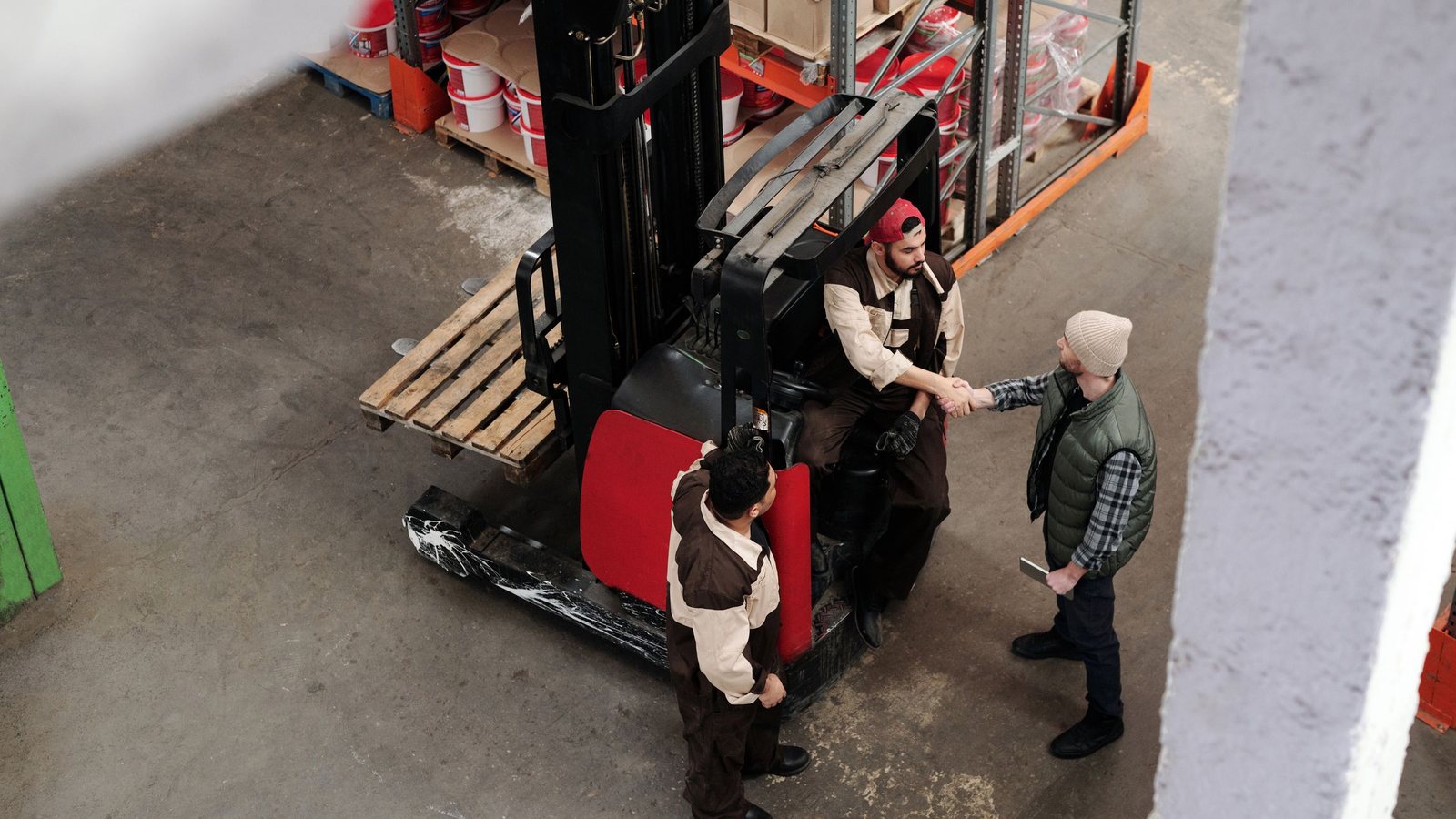
The most common question in technical meetings I attend is: “Do we need to install AI cameras right now, or is it just a waste of money?” The honest answer is: not always. If your operational processes are not yet stable, adding technology only increases complexity without creating immediate value. Look at your operational reality before discussing hardware.
We are talking about turning existing IP cameras into intelligent eyes. There is no need to replace your old security system. This significantly reduces initial investment costs. However, computer vision technology only works when it solves a specific, measurable problem. If you don't know what you need to monitor, don't start.
Before Deployment: Check Infrastructure and Processes
This phase determines 80% of the project's success. Many businesses skip this step and face continuous false alarms after the system goes live.
- Image Quality: Existing IP cameras must have sufficient resolution to recognize details. For PPE monitoring, cameras need to clearly see helmets and reflective vests from a certain distance. If the image is blurry or shaky, accuracy will drop significantly.
- Internal Network: Video data transmission requires stable bandwidth. A large factory with dozens of cameras will generate a significant network load. Check if your current bandwidth has enough headroom.
- Incident Handling Process: When the system detects an intruder or a breach of a restricted area, who receives the alert? Via web, Telegram, or Zalo? If there is no on-duty personnel and a clear response process, alerts are just noise.
I once saw a project at a factory in the North face a serious issue because a camera was positioned where direct sunlight hit it during peak hours. The system continuously reported intruders due to shadows. The problem wasn't the algorithm, but the lack of thorough site survey.
During Installation: Configuration and Training
This is the phase that “costs money” in both literal and figurative senses. Technicians will configure the region of interest (ROI) and recognition parameters. You need to be present or designate a representative with operational knowledge to confirm restricted areas, zones for counting people or vehicles.
The goal is to minimize unnecessary alerts. For example, if you only care about trucks entering and exiting the main gate, disable pedestrian recognition at that location. This helps focus processing resources on important events. At the same time, operational staff need to be trained on how to read and understand the data. No one wants to face a dashboard full of charts they don't understand.
After Go-Live: Evaluation and Optimization
An AI Camera system is not “install and forget.” In the first 30 days, review the number of alerts and the false alarm rate. If this number is high, go back to adjust sensitivity thresholds or camera positions. The goal is to achieve high accuracy, such as the 99% level we typically target in standard projects. Alerts must appear in under 1 second to allow timely intervention.
More importantly, measure the real impact. How many hours of unsafe work have been reduced? How many unauthorized intrusions have been prevented? Without this data, you cannot justify the budget for maintaining the system next year.
Frequently Asked Questions
Are old IP cameras compatible?
Yes, if they support common RTSP or ONVIF protocols. However, low resolution may limit the ability to recognize faces or license plates from a distance.
How often does the system need maintenance?
No frequent hardware maintenance is needed if the cameras are stable. However, software checks and periodic AI model updates are required to adapt to changes in the environment or processes.
What is the monthly operating cost?
It depends on the number of cameras and features used. Since existing cameras are used, the main costs are for software services and technical maintenance, which are usually much lower than replacing the entire security system.
This series draws on our experience deploying AI for businesses. More on the AIVISION blog, details on face recognition and the rest of our solutions, or reach out to us.