7 retail display mistakes and how photo AI catches them
05/10/2026
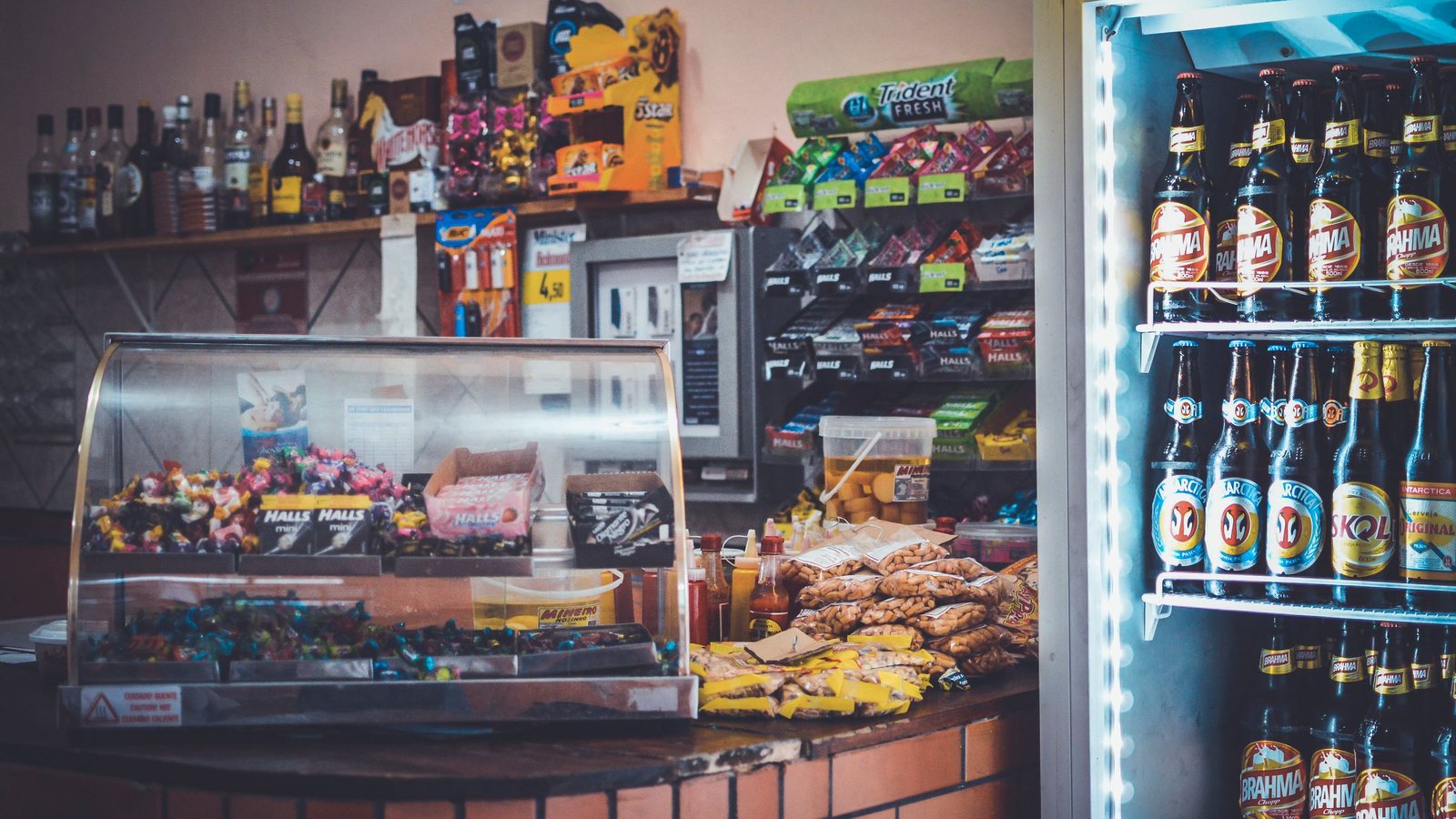
Picture this: seven a.m. The convenience store at the end of the alley has just rolled up its shutter. A field rep stops by and glances at the cooler: plenty of color, plenty of stock, looks fine. One photo, send, on to the next store. Look closely at that photo, though, and the new flavor is sitting on the bottom tier, the core line has two facings instead of four, and right in the middle of the paid display space there's a competitor's can.
Three retail display mistakes in one photo that looked fine. Most mistakes like these don't come from carelessness. They're small, they repeat, and they slip past human eyes easily when someone has to review hundreds of photos a day. Here are the seven most familiar ones, and how photo-reading AI like VTraks helps catch them.
Seven mistakes that keep coming back
1. Right product, wrong shelf
The product is there, just not where it should be. Eye level is the most expensive spot on any shelf, and also the one most often “borrowed” when store staff restock in a hurry. VTraks scores Pass or Fail down to each position, so a new flavor pushed to the bottom tier shows up as a Fail line without anyone having to hunt for it.
2. Missing facings
The planogram calls for four facings, the shelf has two, and the neighboring SKU has spread into the rest. From a distance the shelf still looks full. The AI counts each facing once and compares it with the requirement. On a phone thumbnail, almost nobody spots this one.
3. A broken brand block
Flavors are supposed to stand together as one block so shoppers recognize it from the end of the aisle. After a few rounds of customers picking and staff refilling, they end up scattered. Because the AI recognizes each SKU and its position, the gap from the layout is spelled out precisely instead of stopping at a vague feeling that it's “a bit messy”.
4. Empty shelf, full stockroom
The most painful one, because it costs sales directly. The stock is sitting in the back room and nobody has brought it out. VTraks recognition results also report on-shelf availability, so the gap is logged at the moment of the photo rather than when the store's sales numbers drop.
5. Competitors creeping into paid space
You pay for an end cap, and one fine day it holds two products that aren't yours. VTraks detects competitor products in the same scan, so the encroachment comes with clear evidence when you talk to the store.
6. Still following the old layout
The promotion ended two weeks ago and the display stand is still up. Or the other way around: the new program has started and the store hasn't changed anything. When planograms are set to apply automatically by time, location and store, every photo is scored against the layout currently in force. Reps don't need to remember which campaign wave it is today.
7. Photos taken just to tick a box
Half a shelf, a 45-degree angle, cooler lights blown out to white. Photos like that are hard to score for people and machines alike. Long shelves should be shot as a series: VTraks accepts up to 200 photos in one scan and counts each item once, so shooting more doesn't double your numbers. Reused old photos or pictures of a screen are a different story; the system has its own fraud detection layer to stop them before they skew the data.

Why human eyes miss these
It's not because supervisors are bad at their jobs. The person looking at photo number three hundred of the day sees it differently than photo number ten. Phone photos are small, and the mistakes live in the details: one facing, one tier, one stray can. AI isn't smarter than your best supervisor, but it scores photo three hundred exactly the way it scored photo ten. According to figures published on vtraks.com, accuracy is 99.97% and each image takes under one second.
Caught it. Now fix it fast
A long list of mistakes never rearranged a shelf by itself. A few principles keep the loop moving:
- Put the expensive mistakes ahead of the cosmetic ones: empty shelves and paid space that has been taken over come before a slightly uneven color block.
- Fix on the spot when possible: if results come back fast, the rep is still in the store and can rearrange right away.
- Look for patterns: the dashboard brings every store into one place. If the same mistake shows up across a whole region, the problem may be the planogram or the training, not individual people.
- Use the data for coaching: a rep who keeps leaving facings short needs to be shown how to stock the shelf, not put on a public leaderboard.
The full feature list, from compliance scoring to centralized data, is on the VTraks product page from AIVISION.
What the photo doesn't tell you
A photo shows where the shelf is wrong, not why. Sometimes the owner moved things on purpose because another brand just paid more. Sometimes the delivery truck was two days late. AI makes detection faster and more consistent. Understanding the situation and persuading the store still takes a field rep who knows how to talk to the person behind the counter, and I see no reason to want that changed.