When to Use AI Camera for Packaging Line Monitoring
05/10/2026
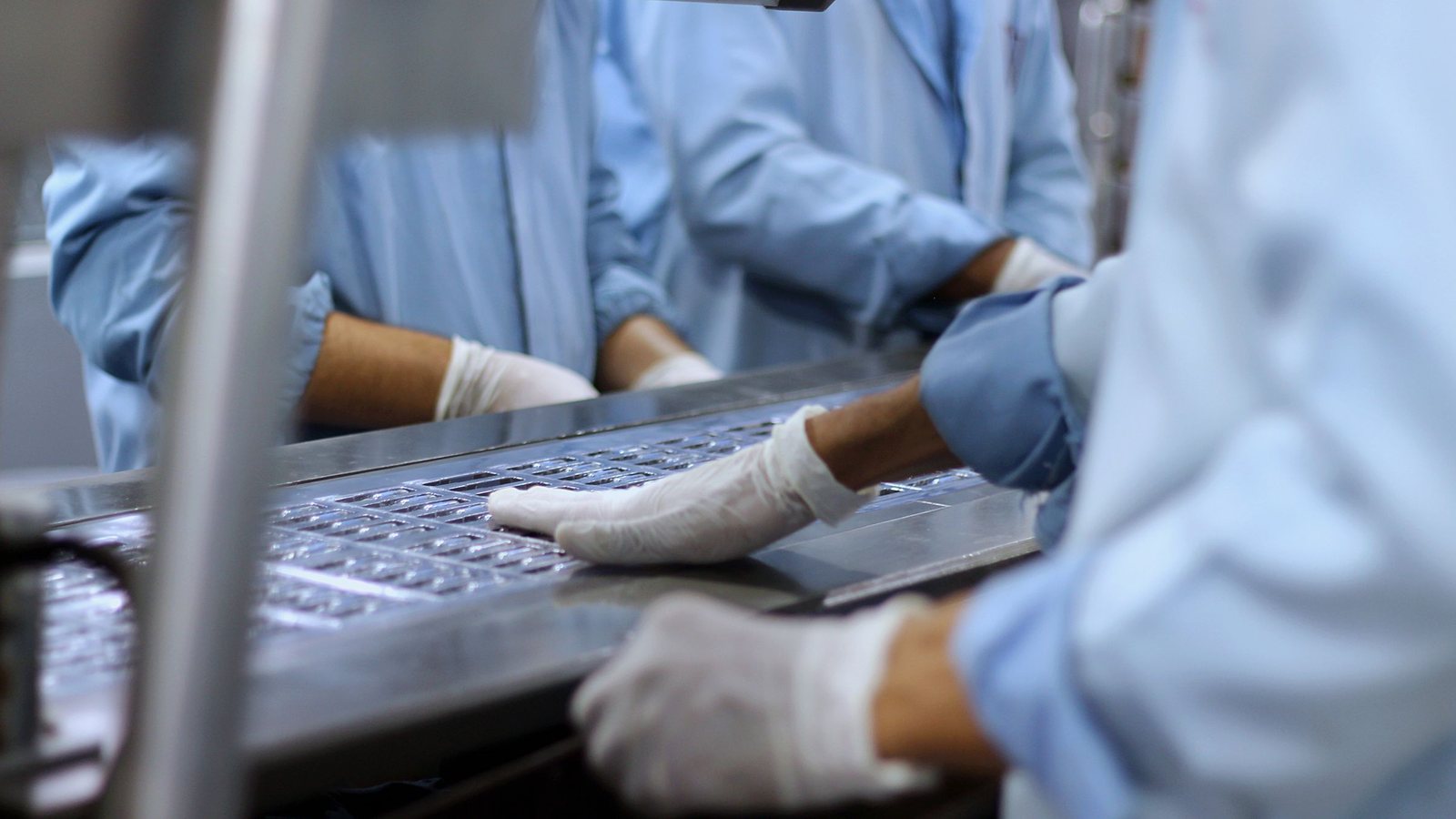
Market Observation: The Gap Between Automation and Human Oversight
The factory landscape in Vietnam, and Southeast Asia more broadly, is witnessing an interesting paradox. Many businesses have invested billions of VND in automated packaging lines, doubling production speed compared to manual labor. However, the rate of defective goods leaving the warehouse due to a lack of visual control remains concerning, potentially reaching several percent in random inspections. The issue does not lie with the machinery, but with the 'gap' between the line's speed and human reaction capabilities.
Why does this matter? Because a minor packaging error, such as a misaligned label or improperly sealed packaging, once it reaches the market, leads to post-inspection costs, returns, and brand reputation damage. This is where AI Camera and computer vision solutions play a pivotal role, not to replace humans, but to fill that gap quickly and accurately.
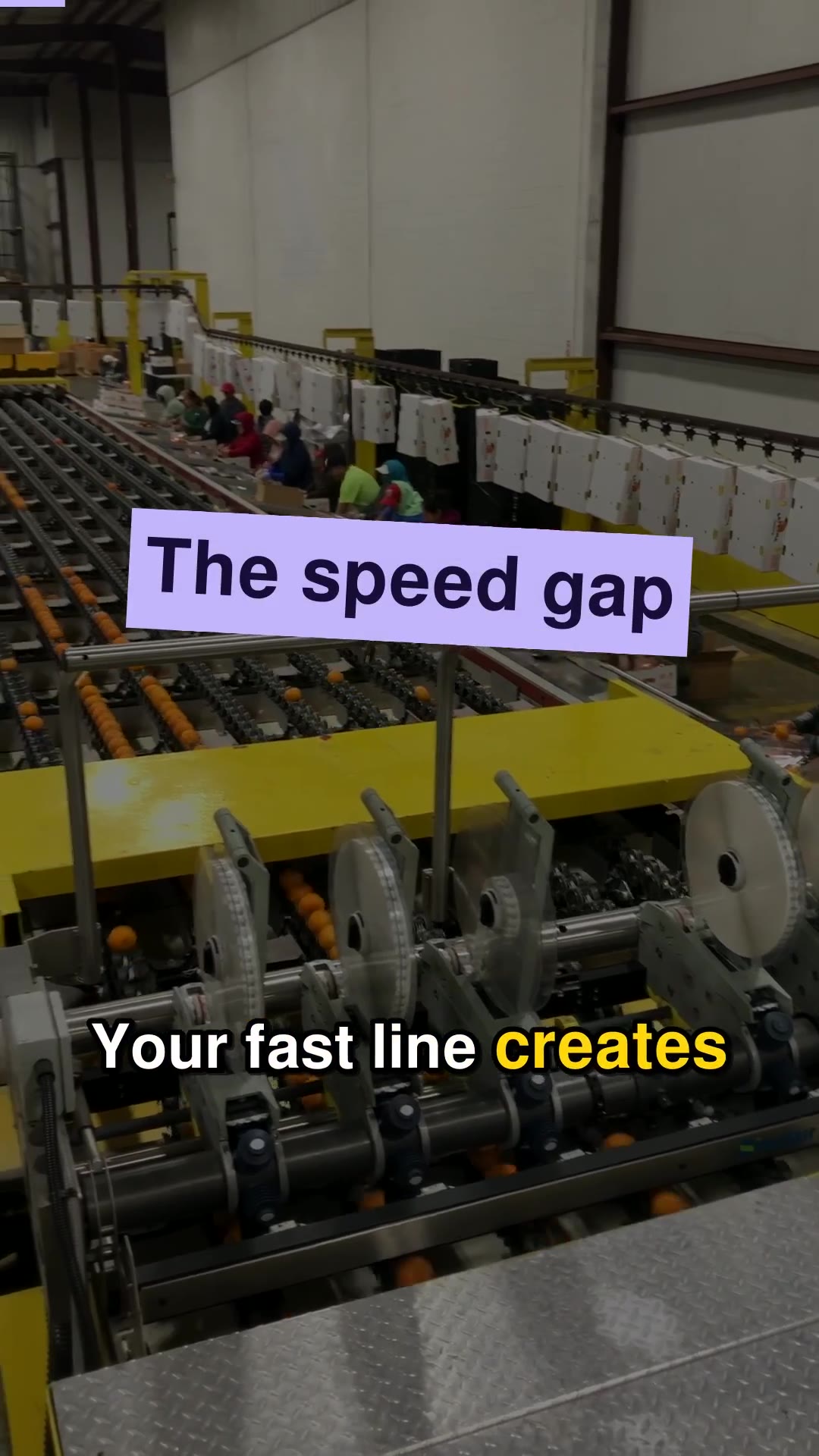
Decision Framework: When to Deploy and When Not To
Adopting technology is not a binary 'yes or no' question, but rather a matter of 'when' and 'under what conditions'. Below are three common scenarios I frequently encounter when consulting factories in Vietnam and markets like Thailand and the Philippines.
Case 1: Line Speed Exceeds Human Visual Capability
If your line runs at high speeds, for example, over 100 products per minute, the human eye can barely keep up to detect subtle defects. In this case, an AI camera is a mandatory choice. The accompanying condition is that you need an existing IP camera system or be ready to invest in one. AIV Camera, for instance, can transform existing IP cameras into smart cameras without replacing hardware, significantly reducing initial costs. The goal here is to detect defects before products leave the factory, with accuracy that must be validated under the actual lighting conditions of the workshop.
Case 2: Recurring Errors Due to Manual Processes
If you record similar errors occurring repeatedly, such as labels applied in the wrong position or missing accessories in boxes, this is a clear sign of inconsistency in manual inspection processes. Implementing AI monitoring helps standardize criteria. However, the accompanying condition is that you need to digitize your defect criteria. You must clearly define what constitutes a 'defect' in the machine's eyes. For example, a small scratch on the packaging might be acceptable, but a large tear is not. Ambiguity in criteria will cause the AI system to issue false alarms, creating noise for operations staff.
Case 3: Scaling a Multi-Country Supply Chain
When a business has multiple factories in Vietnam, Mexico, or Thailand, maintaining consistent quality is a major challenge. Instead of sending personnel to inspect each location, a centralized AI monitoring system allows for performance comparison between factories. The accompanying condition is stable network infrastructure and the ability to connect via cloud or on-premise solutions that fit the company's data security requirements. This is where technology becomes a management bridge, rather than just a defect detection tool.
Operational Mechanism: From a Single Line to the Entire Chain
As I mentioned, deployment needs to scale from small to large. Starting with a specific line is the most practical approach.
On a single line, computer vision works by continuously analyzing frames from the camera. The system does not just check 'is the item present', but also analyzes features such as color, shape, label position, and packaging integrity. When an anomaly is detected, the system sends an immediate alert. With AIV Camera, this response time is typically under 1 second, fast enough for the system to automatically remove defective products from the line before they proceed to the next packaging step. This is a fundamental difference compared to detecting defects at the warehouse stage, where processing costs have already increased significantly.
Scaling to the factory level, data from various lines is aggregated for trend analysis. You might observe that errors frequently occur during night shifts or after shift changes. These insights help optimize operational processes, rather than simply 'catching defects'.
At the chain level, when integrated with other quality management systems, data from AI cameras becomes part of the traceability record. In a context where markets like Mexico or the EU are increasingly strict about export standards, the ability to provide digital evidence of quality control at each stage is a clear competitive advantage. A food industry partner of AIVISION adopted this method to meet the audit requirements of foreign partners, helping to shorten on-site inspection times.
Frequently Asked Questions
Do I need to replace my entire existing camera system?
Not necessarily. Many current AI Camera solutions, such as AIV Camera, are designed to work with standard IP cameras. You only need to add analysis software and a processing server (or use the cloud), without dismantling the hardware system that is already working well. This significantly reduces initial investment costs and deployment time.
How long does it take for the system to accurately identify various defects?
The time depends on the complexity of the defects and the amount of training data. For obvious defects like missing products or torn packaging, the system can achieve high accuracy within a few weeks of calibration. For more subtle defects, it may take longer to train the model. Most importantly, the process requires continuous calibration with real-world data from your factory.
Can AI completely replace quality control staff?
No. AI should be viewed as a support tool, not a replacement. It handles repetitive tasks and high-speed requirements, while humans focus on handling complex exceptions, process improvement, and decision-making. This collaborative model typically yields the highest efficiency, ensuring both speed and human flexibility.
There is more here than one article can hold. Keep reading on the AIVISION blog, look at our display scoring solution, or get in touch.