People and Vehicle Counting: You Have the Numbers, Now What?
05/10/2026
Say this morning's report reads: the store had 420 visitors yesterday. Good or bad? The honest answer: no idea yet. That number only means something next to another number, like the transaction count, the staff on shift, or the same figure from last week. In my view, many people and vehicle counting projects don't fail because the counting is wrong. They fail because once the counting is done, nobody knows what to do with the numbers.

This piece walks through two familiar settings, retail stores and warehouses, with the same question: you have the numbers, now what?
What the camera can count
AIV Camera counts entries and exits per gate, measures how long customers stay, and counts vehicles too. Alongside that, it reads license plates and text (OCR). Everything runs on your existing IP cameras over RTSP and is configured right on the camera frame with no coding. When you need to look something up, you ask the AI assistant in plain language and get an answer with charts.
One point I want to stress: people counting is a counting problem, not a who-are-you problem. Face recognition is a separate feature, and you don't need to turn it on just to know how many shoppers walked in. For your customers, that is a form of respect worth keeping.
In the store: from foot traffic to decisions
Conversion rate
Take the day's transaction count from your point-of-sale system and divide it by the number of visitors who came in. How many people walked in versus how many bought: that is something revenue alone can't tell you. If foot traffic rises while conversion drops, it often means the store is busier than staff can handle, or what shoppers came for isn't on the shelf.
Staff to the real hours
Picture a fashion store near an office district. The manager still schedules shifts by gut feeling: quiet mornings, busy evenings. Put hourly foot traffic on a chart, and it may turn out the office lunch break is the real peak, exactly when half the staff are out eating. Shift the breaks and you are done, at no extra cost.
Dwell time
Customers who stay a long time may be a good sign: they are weighing a purchase. It may also be a bad sign: they are waiting for someone to help them. Long stays with few purchases mean the manager should spend a shift on the floor and see it firsthand. Numbers point to where to look; they don't explain why.
In the warehouse: gates, trucks and rhythm
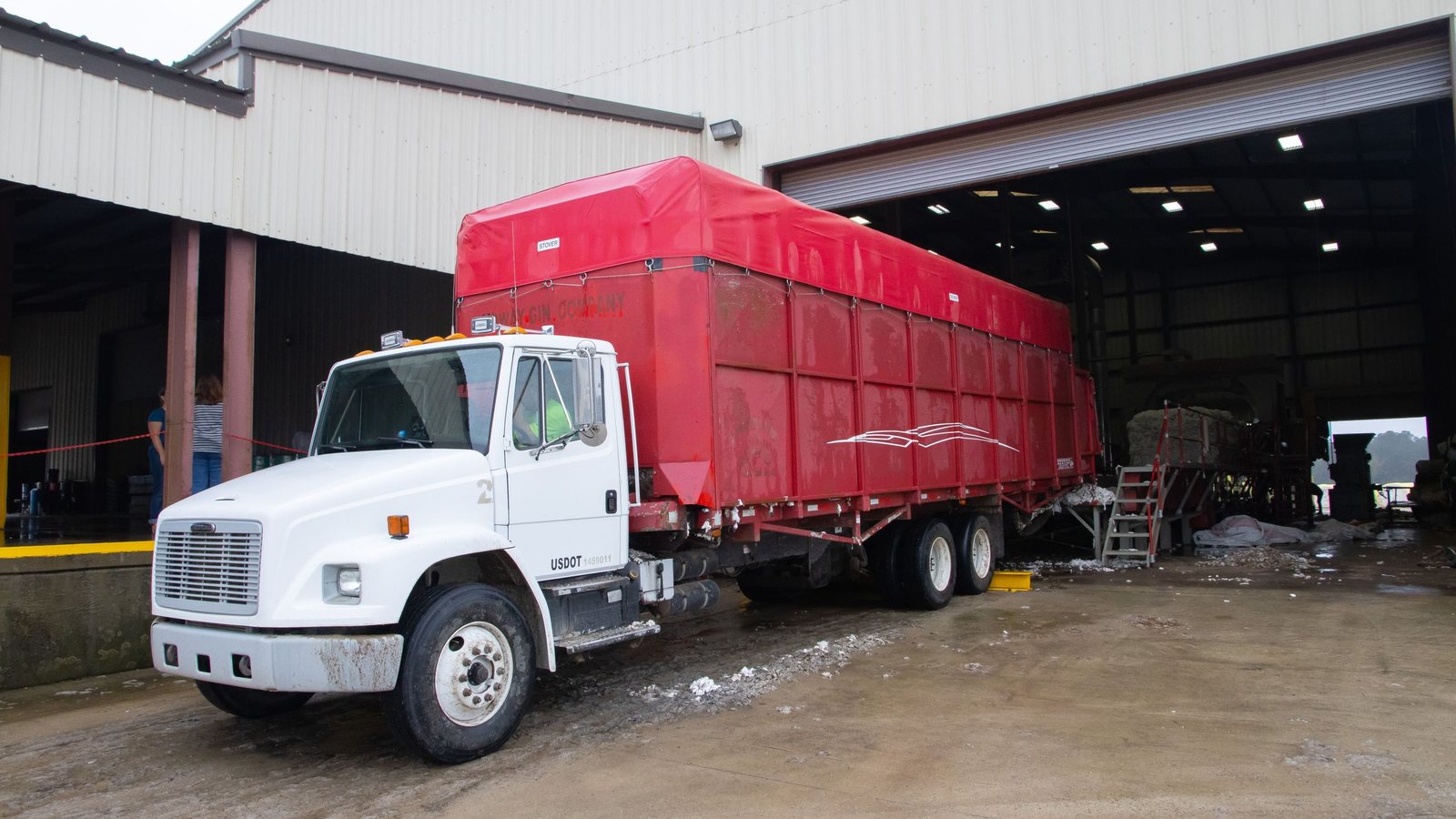
A warehouse doesn't care what customers buy, but it cares a lot about when trucks arrive. Counting vehicles in and out per gate shows you the real rhythm of the site: which time slots trucks pile into, which gate is overloaded, which sits idle. Add plate reading, and the shift knows which vehicles passed the gate without someone standing in the sun with a clipboard. A few things you can act on right away:
- Reschedule deliveries: if trucks bunch up early in the morning, ask suppliers to spread out their time slots.
- Put loaders where they're needed: concentrate people at the right gate during peak hours instead of spreading them thin all day.
- Settle disputes calmly: when a carrier insists they arrived on time, you have data for a calm conversation.
On aivcamera.com, the published figures are 99% accuracy and 24/7 monitoring. Even so, a warehouse gate with poor lighting at night is hard on any camera, so check the lighting before you trust night-shift numbers.
Three traps when reading the counts
- Counting your own staff: employees heading out for stock or lunch also pass through the door. If you don't estimate and subtract them, your conversion rate will look unfairly low.
- Shoppers in groups: a family of four usually makes one purchase. Comparing day to day is fine; reading absolute numbers calls for care.
- Camera angle and number of entrances: a camera looking down from above usually counts more cleanly than one looking across, because people block each other less. A store with several entrances needs every one covered, or your data will be missing a chunk.
To see how people counting, plate reading and the AI assistant fit into one platform, visit the AIV Camera page on aivgroups.com.
One chart, one question, one task
The use of counting data I find most worth trying is surprisingly simple. Each Monday meeting opens just one chart, asks one question and assigns one task. “Lunchtime traffic went up last week but revenue stayed flat. Why?” Then someone goes to the store at lunchtime to see it firsthand. The camera tells you where to look. Going there and talking with the people behind the counter is still your job.