Meeting Prep and Follow-Ups with AI: Fewer Forgotten Tasks
05/10/2026

In my experience, bad meetings rarely fall apart inside the meeting room. They fall apart ten minutes before, when nobody has had time to read the document. Then they fall apart again two days later, when nobody remembers who agreed to do what. The middle part, where people actually sit and talk, usually goes better than we expect.
The good news is that those two ends are exactly where AI pulls its weight. Meeting prep with AI doesn't mean letting a machine attend for you. It means handing the reading, collecting and drafting to an assistant, so people can spend their energy on discussing and deciding. This piece walks through both ends with Hanna, the AI assistant in AIV Office, which is built to prepare meetings (summaries, action items) and reads your mail, calendar, tasks and conversations to lend a hand.
Before the meeting: read the right things
The ten minutes before a meeting are the most valuable and the most often wasted minutes of the day. Instead of reopening every tab, ask Hanna specific questions. A few that work well for me:
- “Summarize the proposal for this afternoon's meeting, focusing on cost and timeline.”
- “What's new in the project chat this week, and is anyone waiting on a reply from me?”
- “Which items from the last meeting are still open?”
The narrower the question, the more useful the answer. “Summarize everything” gets you a pleasant paragraph that helps nobody. One more small trick: paste the summary into Chat for the whole group, so everyone starts on the same page. Of course, whoever presents still has to read the full document. The summary is there so others can keep up, not so the person running the meeting can skip the homework.
In the room: AI can't replace the note-taker
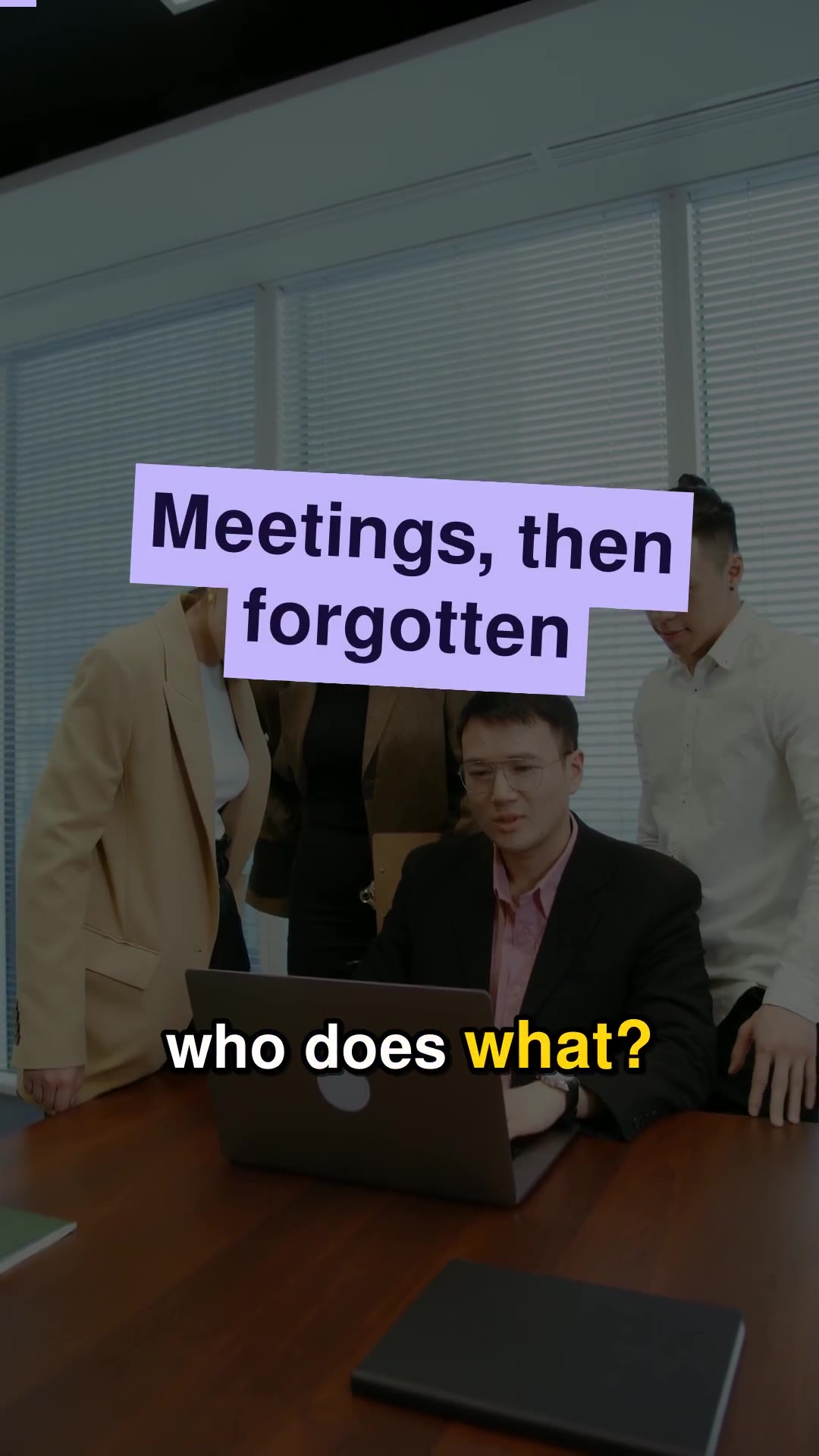
This is where expectations often go wrong. Hanna works with what has been written down: notes in Notes, messages in Chat, documents, emails. A decision that was only spoken out loud and then drifted off with the hum of the air conditioner is something no assistant can collect afterwards. Don't expect AI to remember something that nobody in the room bothered to write down.
So every meeting needs one note-taker, using a very simple template: what was decided, who does it, by when. Write “Minh sends the client a new quote this week”, not just “quote”. Clear notes are easy for AI to read and easy for colleagues to read. Those turn out to be the same thing.
After the meeting: from notes to action items
Collect the action items
Once the meeting ends, ask Hanna to read the notes and the related messages and pull out the action items. Your part is the review: which items have no owner, which have no deadline, which sound decided but actually weren't. Then move the list into Project so it doesn't sit dead in a notes file.
The follow-up email while the coffee is still hot
Clients and partners need a recap email, and the sooner it goes out, the more it's worth. Ask Hanna to draft it from the notes and polish the wording, then edit it so it sounds like you. If the email touches prices, contracts or delivery commitments, read every line before you send it. The machine writes fast, but the name at the bottom of the email is yours.
Next week, ask again
The “fewer forgotten tasks” part doesn't come from magic. It comes from a habit: before the next meeting, ask Hanna where last time's items stand. Because the assistant reads calendars, tasks and conversations, you get a decent starting point instead of chasing each person. A few minutes of asking before the meeting is far cheaper than a whole meeting spent asking “so where are we with that?” If you want to see how these apps sit side by side, have a look at aivoffice.com.
Where AI tends to slip
I like using AI for this, but there are a few traps worth knowing up front:
- Summaries flatten disagreement. “Not agreed yet” easily gets summarized as “agreed”. For important decisions, go back to the original notes.
- A joke in chat is not a decision. A late-night “ok, I'll handle all of it” can sneak into the action list.
- Sensitive meetings need their own rules. For meetings about people, pay or a difficult client, agree in advance on what gets written down and where.
- A task without a name is just a wish. AI can list the work, but assigning it still has to be said out loud.
A good meeting ends with a short list where every line has a person's name on it. AI helps that list show up sooner and makes it harder to forget. Who takes what, though, is still best said face to face, while everyone is still in the room.