Hiring Guards vs. AI Cameras: A Cost Analysis for Enterprises
18/10/2026
Lessons from a Project That Went Off Track
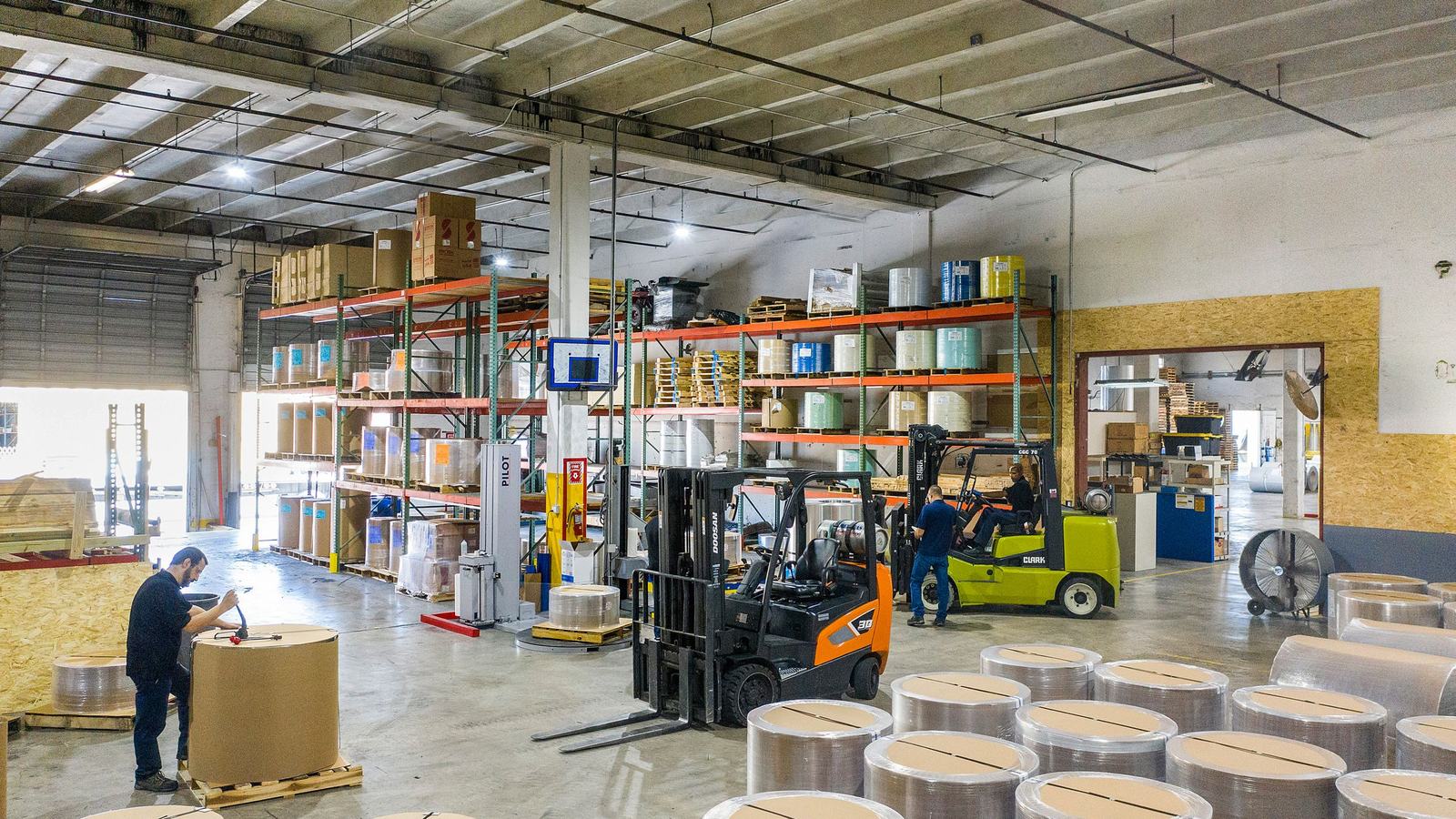
No one likes to admit mistakes, but I clearly remember a warehouse monitoring project in Binh Duong a few years ago. Initially, we believed that installing a few extra cameras and hiring two additional security teams would be enough. The result? Operating costs skyrocketed, yet inventory shrinkage did not decrease. The security guards were exhausted after eight hours of work, their vision deteriorated, and the cameras only recorded footage without automatically detecting issues. That was when I realized: technology does not replace humans, but it forces us to re-evaluate how we work. This article is not a sales pitch; it shares a practical perspective on choosing between manual monitoring and AI Cameras, especially when you are facing pressure to cut costs while ensuring security.
What Everyone Says vs. What Reality Shows
In theory, everyone says that AI is the future and offers absolute convenience. But reality on factory floors or in warehouses is quite different. When it comes to AI Cameras, many managers worry about reliability. They ask: Does the machine misidentify things? Are there false alarms? The answer is yes. No technology is 100% perfect under all lighting conditions and complex environments. However, the difference lies in the ratio. With modern computer vision technology, errors are usually extremely rare cases, whereas humans can miss incidents simply due to a moment of inattention.
Conversely, when it comes to personnel, everyone knows that humans are flexible. They can judge unusual situations, communicate with customers, or handle emerging issues that machines cannot. But the fatal weakness is fatigue. After 3-4 hours of continuous screen monitoring, human attention drops significantly. This is why theft or labor safety violations often occur during night shifts or the least busy hours, exactly when monitoring staff are most likely to be inattentive.
Comparing Costs and Operational Efficiency
To visualize this, let's place two options side by side. Below is a quick comparison table based on real-world deployment experience for manufacturing and distribution businesses in Vietnam and neighboring markets like Thailand and the Philippines:
| Criterion | Manual Monitoring (Guards/Supervisors) | AI Cameras (Computer Vision) |
|---|---|---|
| Initial Investment Cost | Low (Standard cameras + staffing) | Moderate (AI hardware + software) |
| Monthly Operating Cost | High (Salaries, allowances, HR management) | Low (Software maintenance, minimal human intervention) |
| 24/7 Monitoring Capability | Limited (Requires shifts, prone to fatigue) | Continuous (No breaks, no sleep) |
| Incident Detection | Passive (Only sees when looking) | Automatic (Instant alerts upon event detection) |
| Data Storage | Raw Video (Difficult to search quickly) | Structured Events (Easy to search and analyze) |
Note that the terms "Low" or "High" here are relative. For a factory with 50 cameras, hiring 5 dedicated guards to monitor screens will be far more expensive than deploying an AI Camera solution within 12-18 months. After that point, the monthly savings will be significant. Furthermore, with AIV Camera, you do not need to replace your entire existing IP camera system. You only need to upgrade the software and data processing. This minimizes risk and initial investment costs compared to buying a new, expensive dedicated AI camera system.
When to Choose Which Solution
There is no one-size-fits-all answer. The choice depends on your scale and the nature of your operations.
- Choose manual monitoring if: The area requiring monitoring is small, with few cameras (under 10), and the job requires significant human interaction (such as reception or guest greeting). In this case, machines find it difficult to fully replace the role of communication and complex situation judgment.
- Choose AI Cameras if: You have many points to monitor (large factories, warehouse chains, retail), need to detect labor safety violations (no helmets, no reflective vests), or require strict access control. Especially if you want data to analyze trends (e.g., counting vehicles entering/leaving by hour, detecting intrusions into restricted zones), AI is the only economically viable option.
- Hybrid Model: This is the most pragmatic approach adopted by many AIVISION partners like Masan and multinational corporations. Use AI to filter important events and provide instant alerts, while humans only intervene when there is an alarm or to handle exceptional situations. This approach reduces pressure on staff and increases overall accuracy.
It is important to assess your needs correctly. Do not buy AI just because it sounds good. Clearly define: What do you want to detect? What is the frequency of incidents? Where is your current staffing cost "bleeding"? Answering these questions will tell you what tools you need.
Quick Answers
Can AI Cameras completely replace security guards?
Not completely. AI replaces passive monitoring and event detection. Humans are still needed for incident response, communication, and physical security on-site. The goal is to optimize staffing, not to lay off employees.
How long does it take to recoup the investment in AI Cameras?
Usually 12 to 24 months, depending on scale. This figure comes from reducing screen monitoring staffing costs and minimizing losses due to theft or safety violations. For larger systems, the timeframe can be shorter.
What happens if the internet connection is cut?
Most modern AI Camera solutions, including the technology provided by AIVISION, have the capability for local (on-device) processing or temporary data storage. When the network is restored, the data will be synchronized. However, instant alerts via web or Zalo/Telegram will be interrupted until the connection is stable again. This is a technical limitation that needs to be considered in system design.
Small Actions You Can Take This Week
Don't rush to buy software or hire a contractor. Do one simple thing: Identify a specific area in your factory or warehouse that you find most "headache-inducing" regarding security or compliance. For example: The truck gate, or the machinery assembly area.
Then, spend 30 minutes directly observing this area during a work shift. Note down moments where security guards did not see, or small violations that repeat. Record the time, the incident, and potential consequences. When you have this real data, conversations with technology providers (such as the technical team at AIVISION) will become much more specific and effective. You do not need a "comprehensive" solution; you only need a solution that solves the specific problem you just recorded. Start small, prove value, then expand gradually. That is the safest and smartest way to bring AI into your business.
AIVISION builds computer vision, Agentic AI and custom AI software for manufacturers and retailers. Browse our services, try the AI assistant, or send us your problem.