AI Cameras in Ports: Cost vs. Operational Efficiency
15/10/2026
AI Cameras in Ports: The Cost and Efficiency Paradigm Shift
There is an uncomfortable truth: most logistics companies in Vietnam are paying for two unrelated things. They pay security staff to “watch” screens and pay for camera systems to “record” incidents. The result? A static image that only has value after cargo has been lost, damaged, or misdelivered. The shift from passive to active monitoring via computer vision is no longer a distant future concept; it is an immediate operational pressure. If you manage a receiving area at an Inland Container Depot (ICD) or a large Distribution Center (DC), delaying the adoption of AI Cameras for receiving area monitoring is not just a budget waste—it is a legal and reputational risk.
This matters to you because traditional operational models have hit their ceiling. Adding more shift workers does not solve the problem that “humans cannot watch everything at once.” Meanwhile, international partners, from Mexico to Thailand, are demanding higher levels of data transparency. If a container is opened illegally for 30 seconds and there is no immediate alert, who is responsible? The answer is shifting from “humans” to “systems.” If your system still relies on the naked eye, you are moving against the global standardization trend of modern logistics.
Crossroads 1: Replace Humans or Augment Awareness?
Many investors fall into a psychological trap: buying AI cameras to cut headcount. This is a common mistake. Reality in large warehouses shows that AI Cameras do not replace human decision-making; they only replace fatigue and lack of focus. Imagine a 12-hour shift. In the final 20 minutes, human ability to detect anomalies drops significantly. That is when computer vision shines.
The first decision you must make is positioning this system within your workflow. There are two approaches:
- Pure Security Monitoring: Focuses on intrusion detection, headcount, and license plate recognition for entry/exit. The goal is to reduce theft incidents and enforce strict access control.
- Operational Monitoring: Focuses on labor safety compliance (helmets, reflective vests) and loading process supervision. The goal is to reduce accidents and increase line efficiency.
If you choose the first approach, the value lies in peace of mind and insurance. If you choose the second, the value lies in process improvement data. In several factories in Vietnam and the Philippines, applying AI cameras to monitor personal protective equipment (PPE) reduced safety violations to near zero within months. This is not because the technology is “magical,” but because it creates continuous compliance pressure—no breaks, no sleepiness.
Crossroads 2: Invest in New Hardware or Reuse Existing Infrastructure?
This is a question of budget and deployment speed. The traditional approach is to buy a turnkey integrated AI camera solution, including NVRs, servers, and dedicated cameras. The initial cost is high, but deployment is simple. However, most logistics companies already have hundreds, even thousands, of IP cameras in their warehouses. Replacing all of them is a financially unacceptable burden.
The second solution, and a rapidly growing trend in the Southeast Asian market, is using computer vision software to “turn” regular cameras into AI cameras. This approach allows you to leverage existing camera infrastructure, requiring only additional processing power (usually a server or cloud) and recognition software. The biggest advantage is scalability. Want to add 10 cameras today? Just install and configure—no waiting for procurement or electrical work. For warehouse chains stretching from North to South, or DC networks in Mexico and Thailand, this rapid scalability is a decisive factor.
However, what is the trade-off? You must ensure the image quality from old cameras is good enough for accurate AI recognition. Low light, low resolution, or obstructed angles are all enemies of computer vision. Before signing a contract, request an on-site survey. The best AI system is useless if it only sees darkness.
Crossroads 3: Static Alerts or Immediate Action?
Many AI camera systems stop at recording events and emailing managers 5-10 minutes later. In a warehouse environment, 5 minutes is too long. A safety incident or intrusion attempt requires immediate response.
The decision here is about alert channel integration. You cannot expect security staff to constantly watch a web dashboard. They need information pushed directly to the device in their hands. In Vietnam, Zalo and Telegram are the most popular communication channels in industrial environments. When an AI Camera detects a worker without a helmet or an unauthorized vehicle entering a restricted zone, the notification must appear on the shift leader’s phone in under 1 second. The difference between “knowing” and “reacting” lies in this timeframe. Some solutions on the market promise up to 99% accuracy and alert times under 1 second, allowing staff to navigate directly to the scene or activate on-site alarms. If your system lacks this real-time notification integration, it is just a smart recording device, not a true AI monitoring system.
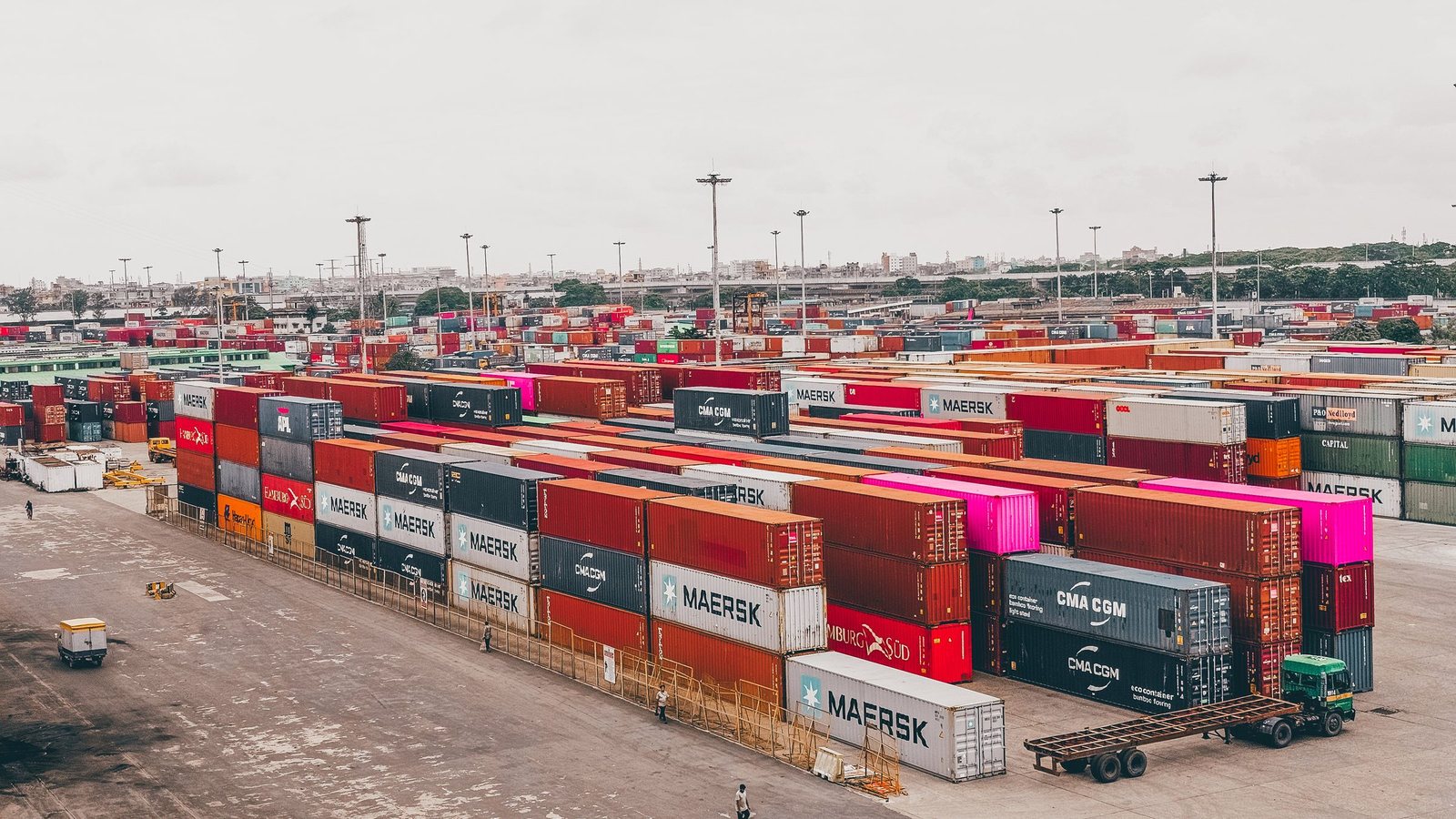
Where can this go wrong? Facial and behavior recognition technology always has an error rate. In complex environments like container ports, with many blind spots, sudden light changes, and fast-moving forklifts, accuracy can fluctuate. If a business places absolute trust in AI while ignoring the human eye, they will face trouble when the system generates too many false alarms, leading to staff apathy. Therefore, the key factor is not trusting the machine blindly, but designing response processes where humans and machines complement each other, rather than blindly replacing one with the other.
There is more here than one article can hold. Keep reading on the AIVISION blog, look at our display scoring solution, or get in touch.