AI PPE Monitoring on the Factory Floor: Alerts People Act On
05/10/2026
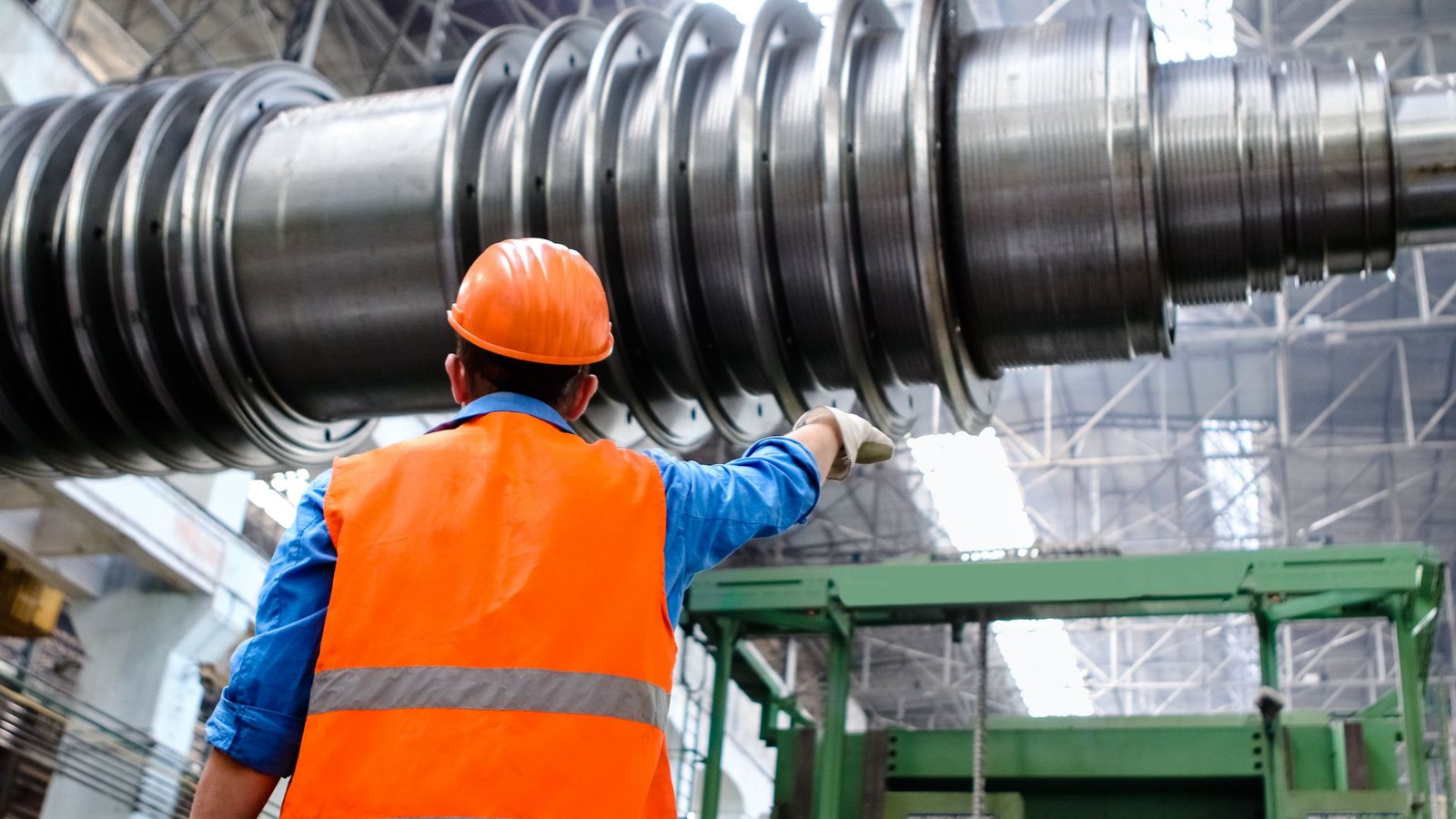
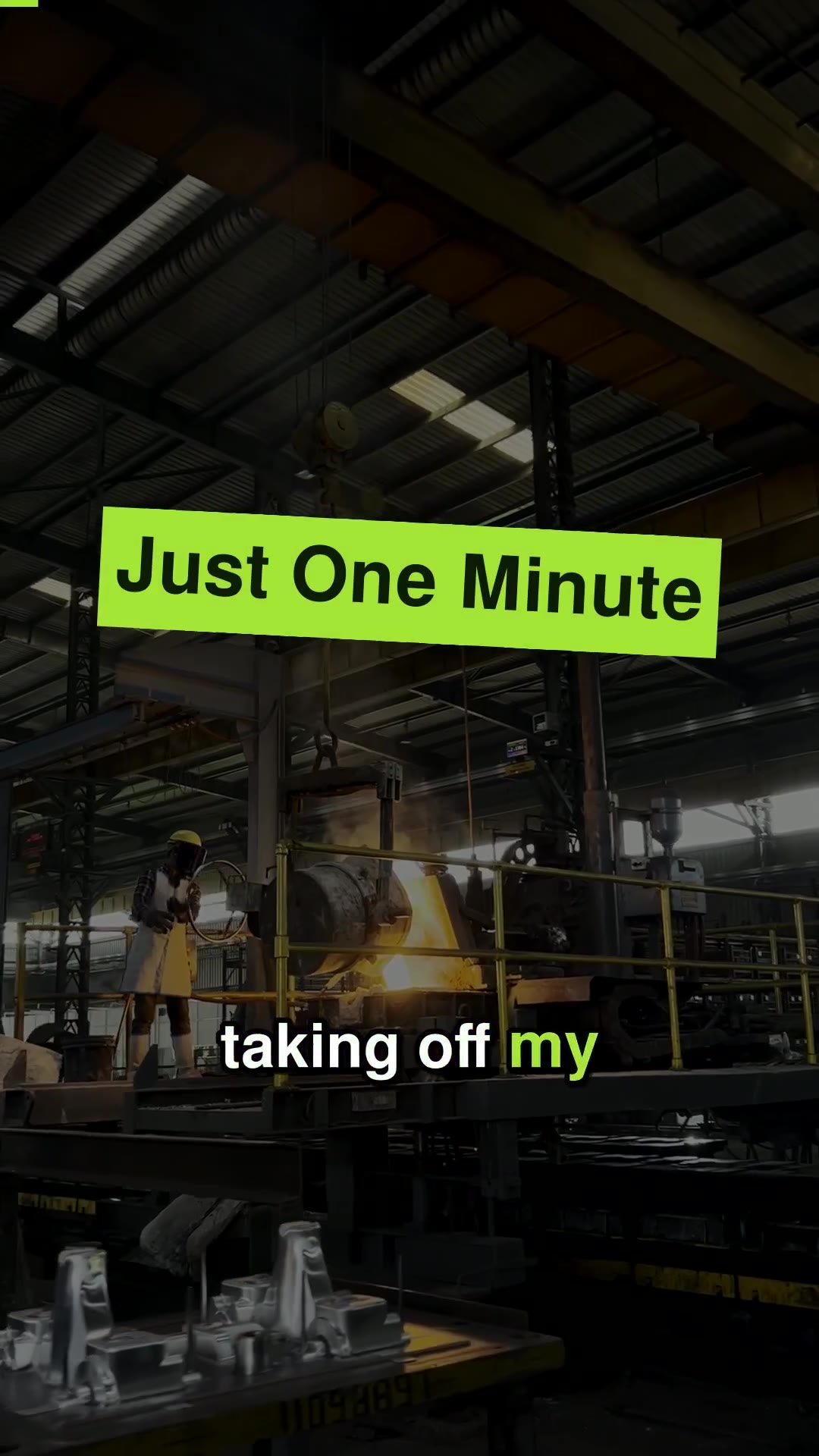
Picture a metal workshop in the early afternoon, the air thick with heat. A welder pulls off his hard hat to fan himself, thinking “just one minute.” Then someone calls him over, and he forgets. Nobody breaks the rules on purpose; people get tired and hot. This is exactly where AI PPE monitoring earns its keep: not to catch people out, but to remind them at the right moment, before “one minute” turns into an accident.
Here is the catch, though: the hardest part of this problem is not the AI. Spotting a head without a helmet is something machines do fairly well. The hard part is getting the alert to the right person at the right time, and having that person actually get up and deal with it instead of swiping the notification away.
What the AI sees on the shop floor
With AIV Camera, the PPE monitoring feature detects people missing a hard hat or a reflective vest right in the production area, running on the IP cameras already installed in the plant. It pairs with zone intrusion alerts: you draw a restricted zone on the camera frame, say around a stamping press or along a forklift lane, and the system flags it the moment someone steps in.
The figures on aivcamera.com put alert latency under one second, with monitoring running 24/7. In safety work, speed genuinely matters: an alert that arrives after the person has left the area is only good for statistics.
It also pays to be clear about scope. The PPE feature is presented for hard hats and reflective vests. Gloves, goggles and safety boots still need a supervisor's eye. I think that is a sensible place to start: two large, highly visible items tied to two fears every plant knows well, falling objects and forklifts that don't see people.
Why alerts get ignored
Anyone who has managed an alert group chat knows the script. In week one, every message gets a reply: “reminded him.” By week three, messages scroll by unread. Workers haven't stopped slipping up; the people receiving alerts are simply drowning. The causes usually come down to three things:
- Too much, too soon: every camera, every zone, every shift. The volume of alerts outstrips what humans can handle.
- No clear owner: alerts go to a dozen people, so nobody thinks it is their job.
- Alerts that lead nowhere: people receive them and have no idea what to do, beyond tapping a reaction.
Designing alerts people act on
Start with the high-risk areas
Don't switch on PPE detection for the whole plant on day one. Pick two or three areas where a missing helmet or vest is truly dangerous: the loading bay, the forklift lanes, the space under an overhead crane. Draw zones that match reality instead of lassoing the whole frame to save time. The more accurate the zone, the more trustworthy the alert, and the more likely people will read it.
One owner per area
Before going live, agree on who watches alerts for which area, on which of the three channels (web, Telegram or Zalo), and what they do once an alert lands. Keep the routine short enough to remember after one read: look at the alert, go remind the person face to face, make a note if needed. The shift supervisor is usually the best fit because they are already standing right there.
Remind now, analyze later
Real-time alerts are for reminding people. Finding patterns can wait for the weekly safety meeting. The AI assistant lets you ask about camera data in plain language, something like “How many PPE violations were there in Workshop A today?”, and answers with charts and images. The better question is “what time of day do violations cluster?” If they spike right after the lunch break, the problem may be where helmets are stored, not people's attitude. The companion features, from PPE to restricted zones to the AI assistant, are listed on the AIV Camera overview, worth a look before you choose a pilot area.
Data for coaching, not for punishment
I hold a fairly firm view here. If violation images are used to dock pay in the very first week, workers will learn to dodge the cameras rather than to wear their helmets. Use the data to ask “why”: the helmets are too hot, the vests don't come in the right sizes, the helmet rack sits at the far end of the building. Fix the cause and the violation count tends to drop on its own, and supervisors no longer have to play the villain.
Don't forget the machine's limits either. Blocked camera angles, people standing too far away and weak night-shift lighting all degrade results; in poor conditions, even a cloth cap can leave the system unsure. So any disciplinary decision should involve a person reviewing the images and talking directly with the worker. The AI handles the tireless watching. The judging stays with humans.