AI Construction Cameras: Debunking Safety Monitoring Myths
08/10/2026
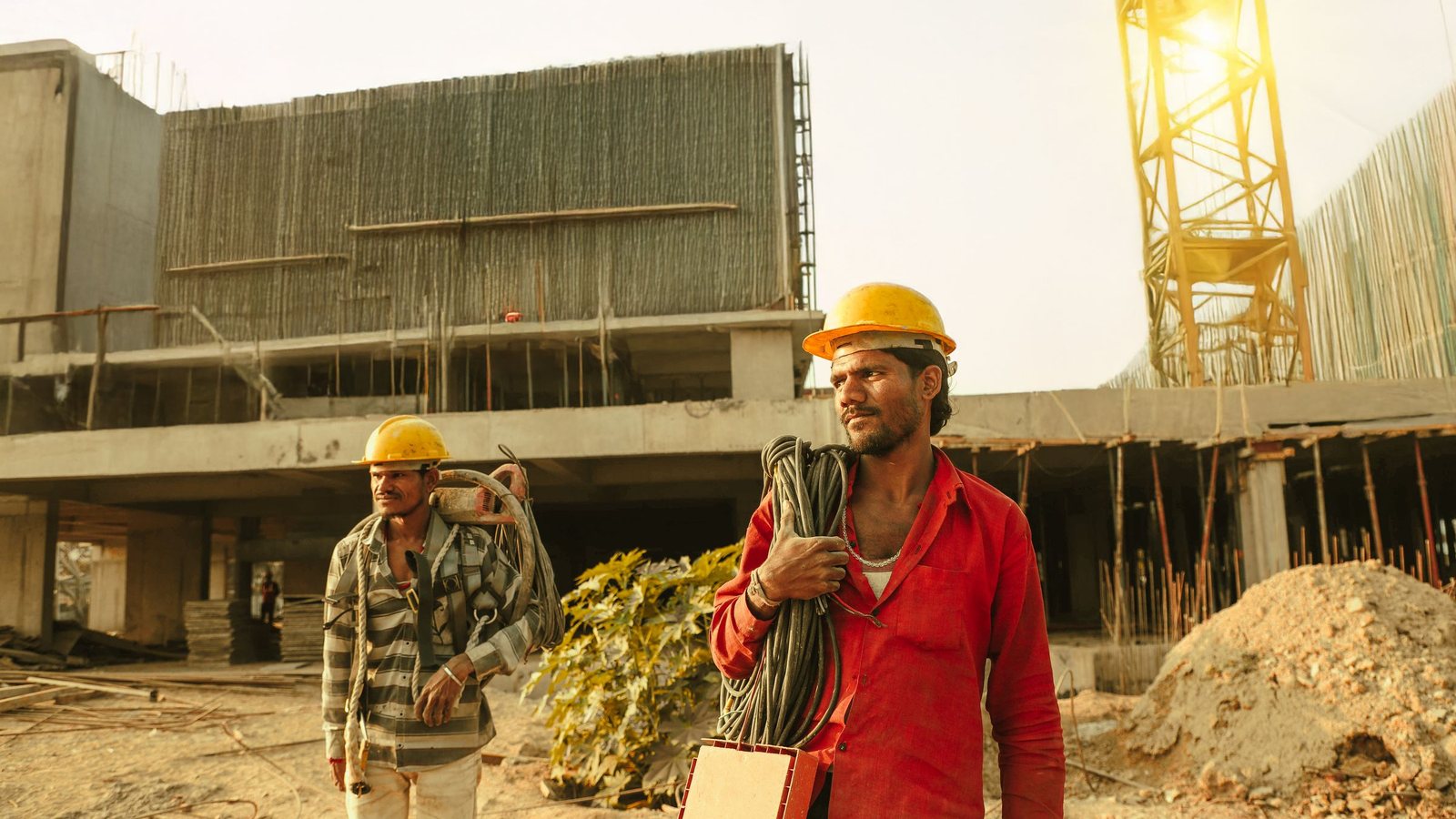
In the past, checking if workers wore helmets required managers to send staff on inspections. Each check took about an hour but only caught a few violations. The biggest hidden cost wasn't the inspection staff, but the time gaps between patrols. Incidents often occurred exactly when no one was watching. The new approach uses AI cameras and computer vision to turn existing IP cameras into continuous surveillance eyes. No hardware replacement is needed, just software installation. The system alerts within one second of detecting a violation. This completely changes labor safety management processes on complex construction sites.
Myth 1: AI cameras are just regular cameras with better recording
Many people think AI cameras are simply cameras with superior recording capabilities. This is a common misconception because marketing often labels any recording device as "AI." In reality, AI cameras process data in real time. They recognize faces, detect intruders, and check for personal protective equipment like helmets or high-visibility vests. With AIV Camera, the published accuracy is 99%, and alerts are sent instantly via web, Telegram, or Zalo. Regular cameras only store images for review after an incident occurs. AI cameras intervene before accidents happen. This difference determines the system's practical value.
Myth 2: Deploying AI cameras is expensive and complex
Cost is the biggest barrier causing many businesses to hesitate. But actual deployment shows the opposite. AIV Camera works on existing IP cameras, requiring no hardware replacement. This significantly reduces initial investment costs. Software installation is not overly complex if supported by a technical team. The system can integrate into existing network infrastructure. Maintenance costs are also lower than hiring a 24/7 security team. With over 1,000 cameras currently running, the solution's feasibility and stability are proven. This is a practical choice for factories, warehouses, and construction sites wanting to upgrade security without changing the entire physical system.
Myth 3: AI monitoring cannot handle chaotic construction environments
Construction sites are always crowded, dusty, and have changing lighting. Many worry that computer vision will struggle under these conditions. However, algorithms are optimized for complex environments. The system can identify vehicles entering and exiting through gates, including dwell time. It can also read license plates and text on safety signs. This capability helps managers automatically control the flow of people and vehicles. Counting people and vehicles helps detect anomalies, such as the number of people in hazardous areas exceeding limits. Intrusion alerts for restricted zones also work effectively, even when workers move quickly. A chaotic environment is no longer an obstacle if the algorithm is good enough.
Myth 4: AI completely replaces humans in safety monitoring
This is the most dangerous misconception. AI does not replace humans; it is a powerful assistant. The AI camera system performs repetitive, boring, and time-consuming tasks. Humans focus on handling exceptions and making decisions. For example, AI alerts when a worker is detected without a helmet. The manager receives the notification and decides whether to fine or remind the worker. This reduces the workload for security teams, allowing them to focus on training and advising. The AI assistant also allows querying camera data using natural language. A manager can ask, "Is anyone in the third-floor area?" and receive an immediate answer. The combination of machine and human creates higher efficiency than either operating alone.
Myth 5: The system is only useful for large corporations
Many small and medium-sized contractors think AI technology is a luxury. But in reality, small construction sites still need close monitoring. Accident risk does not distinguish by scale. AI cameras help small businesses raise safety standards without large investments. Using existing IP cameras is a key competitive advantage. Features like attendance tracking and intruder detection help manage personnel effectively. For retail chains or offices, this system is also very useful. The flexibility of AIV Camera allows application across various industries. You don't need to be a giant corporation to leverage the power of computer vision. This is a tool that democratizes labor safety, helping every business access modern technology.
Myth 6: Deployment is a one-time task, no maintenance needed
Technology does not run forever on its own. Regular maintenance and update processes are necessary. Cameras need cleaning to ensure clear images. Algorithms need fine-tuning according to the specific characteristics of the construction site. AIVISION accompanies customers throughout the operation process, ensuring stable system performance. Effectiveness is measured by alert data and violation rates. Managers can view weekly reports to assess compliance levels. If the number of alerts decreases, it proves the system's effectiveness. If not, training processes or camera placement need review. Maintenance is not just technical; it is also a management process. This ensures that investment in AI cameras brings long-term value. This is a key factor in project success, often overlooked in the initial deployment phase.
AIVISION builds computer vision, Agentic AI and custom AI software for manufacturers and retailers. Browse our services, try the AI assistant, or send us your problem.