AI Cameras on the Line: 3-Month Pilot Notes
28/09/2026
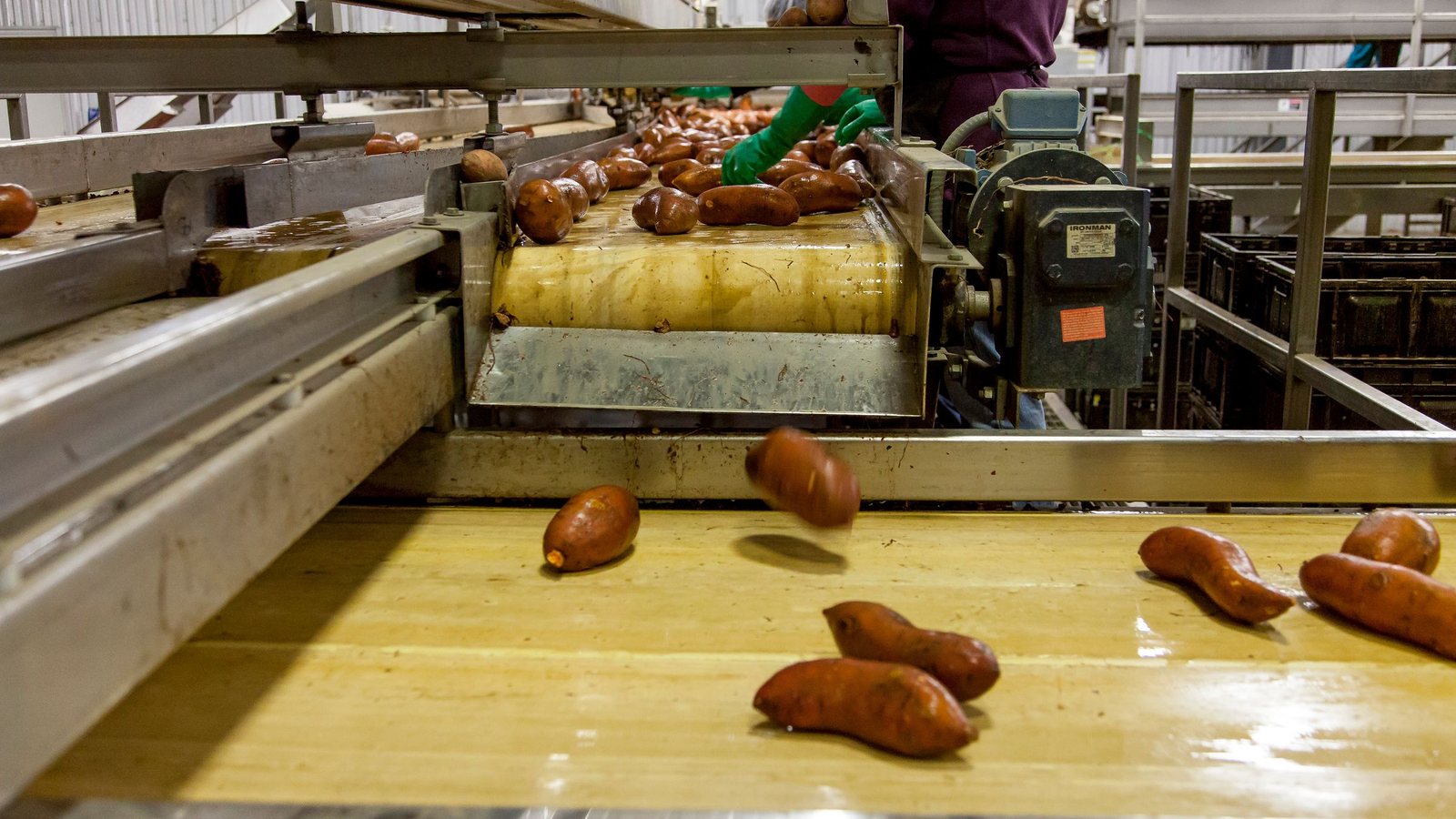
Day Three: The Camera Catches What Humans Miss
The challenge isn't image resolution; it's whether the system can distinguish 'real defects' from 'visual noise.' We started this project with a packaged food manufacturer where line speeds reached thousands of products per minute. Leadership was excited about automated 'AI monitoring,' but the operations team viewed us with skepticism. Accustomed to manual inspection, they believed machines would generate more false positives than actual defect detections. After a three-month pilot, the AI cameras proved their core value: they don't replace humans, but act as the first layer of filtering.
View from the Server Room and the Production Line
The IT team faced the most headaches early on. They were concerned about internal network bandwidth and the system's real-time processing capabilities. The AI cameras sent data to a local server in the plant to ensure minimal latency, but the factory's legacy network infrastructure was insufficient. We had to optimize image compression algorithms and limit the number of simultaneous transmission channels. As a result, the system focused on the three most critical positions on the line rather than covering the entire area as initially desired.
The operations team began to change their attitude after a few weeks. Instead of counting every defect, they only intervened when the screen displayed a red alert. However, the biggest challenge wasn't technology, but the data processing workflow. When the camera flagged a defect, the product still continued into the warehouse without a mechanism to stop the line or automatically reject it. We had to work with the mechanical engineering department to install a defect rejection sensor immediately after the capture point. This was the most 'painful' part of the deployment cost, but also the part that delivered the most immediate value. If you only use cameras to 'know' without 'acting,' the commercial value is nearly zero.
Hidden Costs and What to Ignore
Many businesses ask about the cost of cameras and software. That figure accounts for only about 40% of the total project budget. The rest goes to integration, staff training, and, most importantly, the algorithm's 'learning' time. AI cameras are not a magic wand. They need to be 'taught' to recognize specific defect types for each factory. A minor dent at Factory A might be a critical defect at Factory B. This training process takes time and requires close coordination between the Quality Control (QC) department and the AI engineering team.
We also acknowledge a clear limitation: lighting. Cameras perform well in factory environments with stable lighting. But if your factory has lighting that changes by shift, or if there is significant airborne dust, accuracy will drop significantly. In such cases, the solution is simply to enhance lighting or use cameras with specialized sensors, not to upgrade the software. This is often hidden in marketing materials, but in the field, it determines the success or failure of the project. With deployment experience in markets like Mexico and the Philippines, we find that preparing physical infrastructure is always more important than choosing complex algorithms.
AIVISION, as a partner, helped clients standardize this process. We don't sell 'black boxes'; we sell operational processes. Partners like Masan and Meat Deli also faced similar challenges when deploying automated monitoring. The commonality is that they all started with a small process, clear measurements, and then expanded. Don't try to deploy AI for the entire factory at once. Choose one line, one specific defect type, and run it stably first.
Lesson for Next Week: Start with a Blind Spot
If you are considering bringing AI cameras into your factory, don't start by asking 'how accurate is it in %?'. Ask 'which defect is costing me the most money and can't be controlled by the naked eye?'. That is the right starting point. This week, spend an hour walking along your line and note three positions where QC staff have to stop for detailed inspection. These are the positions where AI cameras will have the most significant impact. Don't look for a comprehensive solution; look for a solution to the most specific pain point. Technology is just a tool; process is the backbone. And once you have a clear process, integrating AI cameras will be much simpler than you imagine.
AIVISION partners with Vietnamese businesses in the journey of bringing AI into real-world operations. Explore AI solutions for business, read more articles, or contact the AIVISION team to discuss your specific challenges.