AI Camera for Retail Chains: Lessons from a Delayed Project
28/10/2026
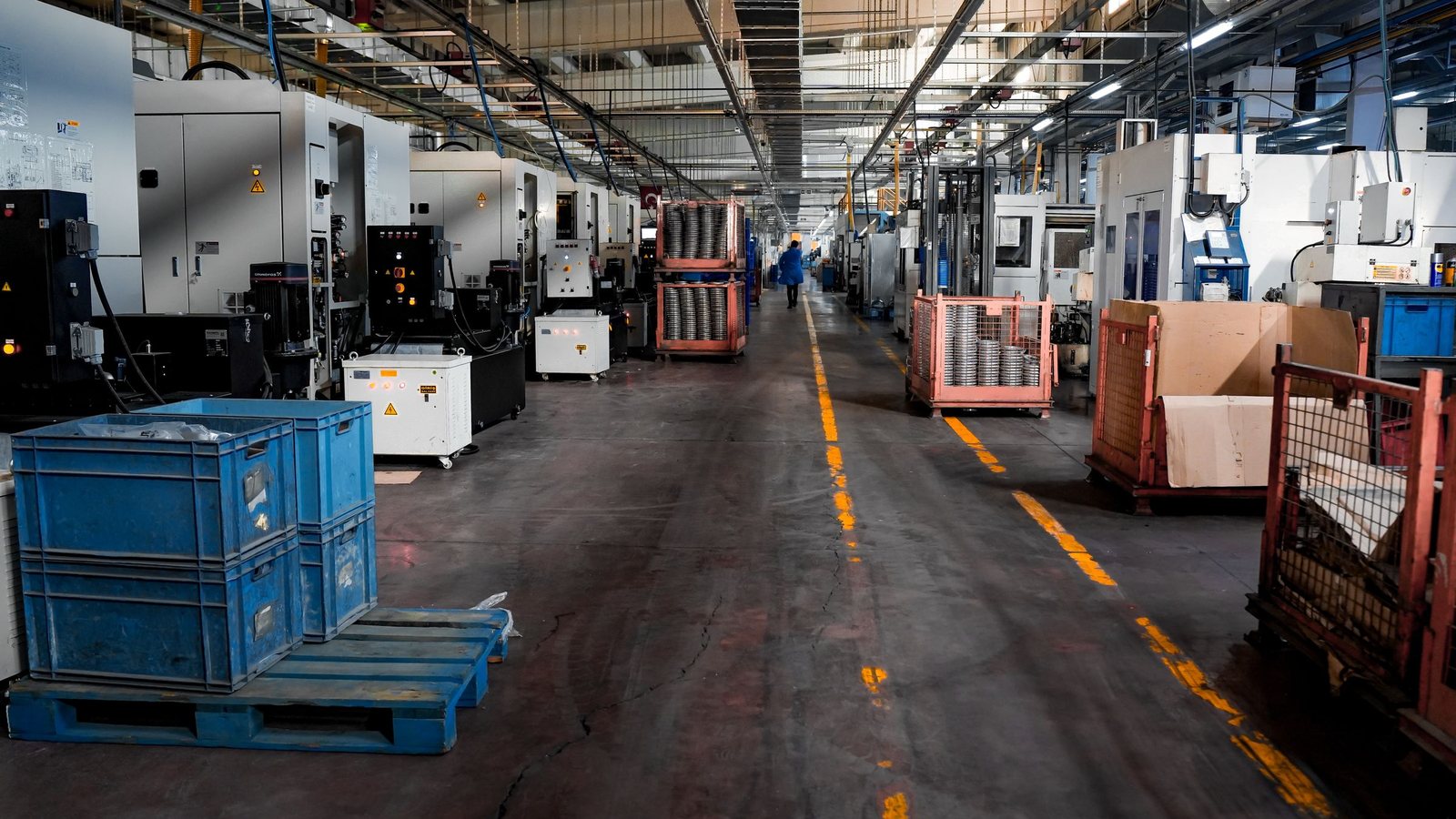
Last year, I led the deployment of an AI camera system for a major retail chain. The initial plan was straightforward: install, connect, and let AI automatically detect security risks. But reality was different. The project derailed because we tried to change the entire security team's habits in just one month. The result? The system was abandoned, and staff continued manual checks. That painful lesson taught me: technology is only effective when it complements processes, not when it rudely replaces them.
Today, we will dissect the security monitoring process in a multi-branch retail chain, focusing on AI Camera and computer vision technology. I will be direct about real-world bottlenecks and where humans must retain decisive roles.
The Core Problem: Raw Data and Human Overload
In a chain with dozens or hundreds of branches, the central security department often faces a tough equation: too much information, too little time. Before AI Cameras, monitoring relied primarily on reviewing footage after incidents. But security incidents, such as theft or restricted area intrusions, happen in an instant. Finding relevant video clips in terabytes of daily data is a nightmare.
When deploying computer vision, many businesses in Vietnam and neighboring markets like Thailand or the Philippines often make the mistake of expecting AI to completely replace humans. In reality, AI Cameras act as smart gatekeepers. They handle repetitive, tedious, and easily overlooked tasks. For example, detecting strangers entering the warehouse or employees forgetting to wear safety helmets. These are tasks humans easily miss if they have to watch continuously for hours.
The biggest bottleneck is often the alert transmission. The camera detects the issue, but how does the alert reach the person in charge? If you have to wait for email checks or manually review dashboards, response time is delayed. At this stage, I advised a partner in Mexico to use alert systems via Telegram and Zalo. The goal was to minimize the time between the incident and when the authorized person knows about it. The difference between a few minutes and a few seconds can determine whether merchandise is lost or saved.
Practical Deployment: From One Branch to the Whole Chain
Do not try to deploy across the entire chain immediately. Start small. Choose a branch with clear operating procedures, stable staffing, and a moderate number of cameras. This is the phase to understand how "dirty" your data is. Existing IP cameras may be blurry, have skewed angles, or poor lighting. AI Cameras can handle this well, but they are not magic. If input quality is too poor, accuracy will drop.
Once you master one branch, expand to a nearby factory or store cluster. At this point, process matters more than technology. Who receives the alert? Who verifies the truth? Who closes the incident ticket? I have seen many highly accurate AI systems fail because there was no post-alert handling process. Security staff didn't know what to do next after receiving an "intrusion detected" notification.
With AIV Camera, integration is often smoother because we do not require hardware replacement. You keep your old cameras and just add recognition software. According to data published on aivcamera.com, the system can achieve 99% accuracy and alert in under 1 second. These numbers sound impressive, but remember they only make sense when placed in the context of your specific business operations. Scaling to the whole chain requires standardization. Recognition criteria, alert priority levels, and notification channels must be consistent. This minimizes confusion and increases the efficiency of the central security team.
Machine Limitations and the Irreplaceable Role of Humans
We need to be honest about the limitations of computer vision. AI is very good at counting people, reading license plates, or detecting specific objects. But it is poor at understanding context. An employee bending down to pick up an item might be misinterpreted as doing something unusual. A customer standing in front of a display case for a long time might be flagged as having malicious intent. These errors, though rare, are enough to cause inconvenience or even conflict if the system reacts automatically.
Therefore, do not let AI decide everything. Let humans retain the final judgment role. AI Cameras provide evidence and early warnings. Humans verify, assess severity, and take action. In projects in the Philippines, I found that training security teams on how to interact with AI is crucial. They need to understand that AI is not "magic" but a support tool. Trust in the system is only built when people see that AI helps them work more easily, rather than creating more pressure.
There are aspects machines cannot yet replace. That is flexibility in responding to complex, unprecedented situations. A fight caused by a customer dispute, or an unexpected technical failure, requires human sensitivity and quick decision-making. AI Cameras can record the entire sequence, helping you analyze it later, but they cannot intervene directly in the situation. The combination of machine processing speed and human flexibility is the key to effective security.
Next Steps This Week
You don't need to wait until the end of the quarter or the year to start. Take a small action this week. Choose the most critical area in your store or factory. Review the current monitoring process there. Who is watching the cameras? What is the average response time? Which video clips are frequently missed?
Then, try a small scenario with AI Camera. It could be detecting missing safety helmets in the warehouse or counting vehicles entering and exiting. Don't worry about comprehensive deployment. The goal is to create a successful touchpoint, helping your team feel the difference technology brings. When they see the practical value, scaling will become much easier.
Deploying AI Cameras is not a sudden revolution. It is a continuous refinement process. Start small, listen to feedback, and always keep humans at the center. That is how to build a sustainable security system, where technology and people together create the strength to protect your business.
AIVISION builds computer vision, Agentic AI and custom AI software for manufacturers and retailers. Browse our services, try the AI assistant, or send us your problem.