AI Camera Deployment at a Lubricant Warehouse: 3 Months of Real-World Data
30/10/2026
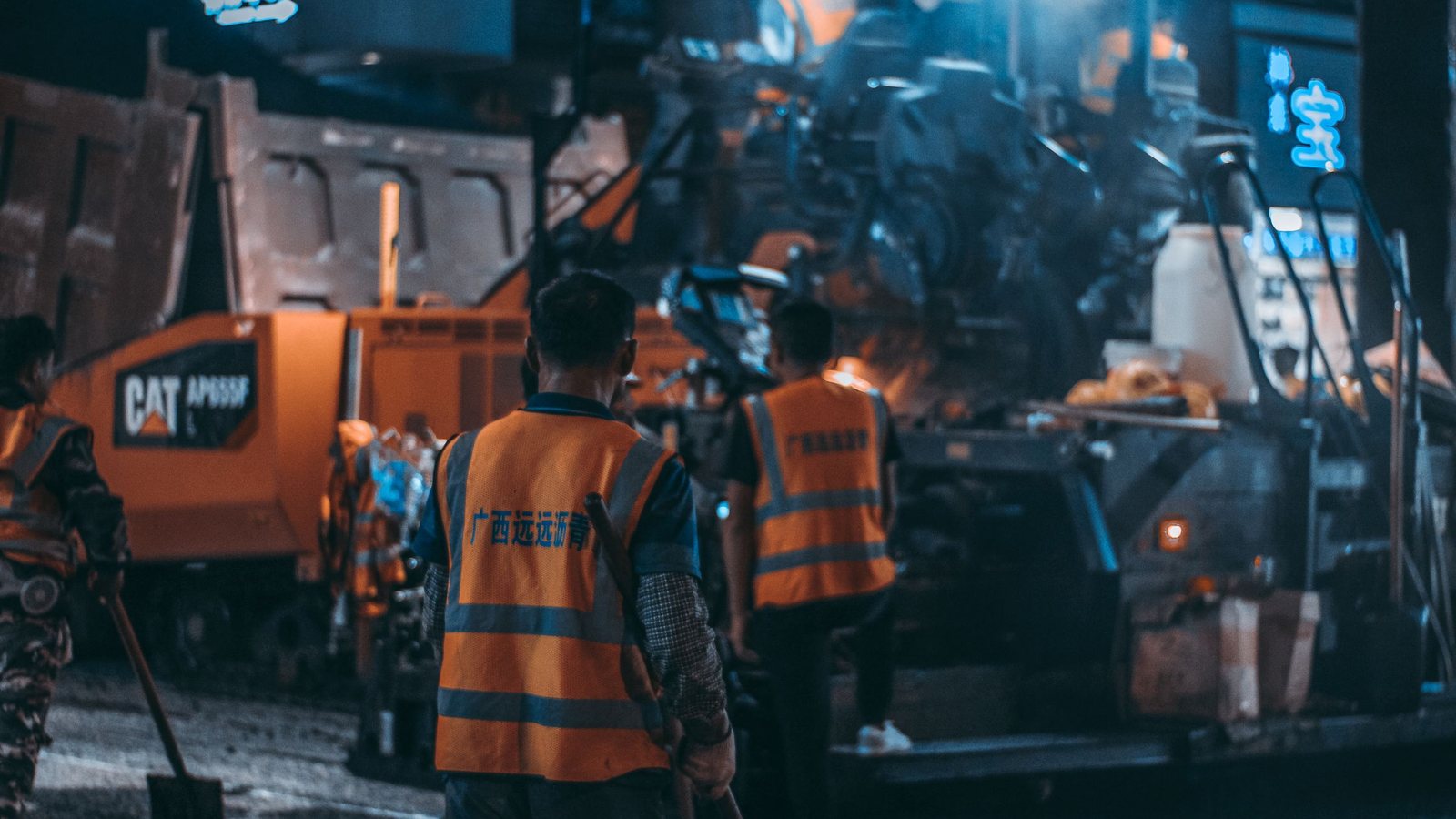
Before deploying AI Camera, we relied on manual inspections. Shift supervisors carried checklists and walked the warehouse every two hours to verify that workers were wearing protective helmets and that no one was entering restricted zones. While this process seemed straightforward, the hidden costs were significant. A supervisor spent roughly 20% of their working hours on these patrols. Across three shifts, this meant nearly 40% of management productivity was consumed by walking and documentation. Furthermore, human eyes fatigue. On one occasion, a missing helmet was only noticed after the worker had left the hazardous area for ten minutes. By then, the warning was too late. This is why we decided to replace this process with computer vision. Not to showcase technology, but to reduce the burden on people and catch incidents the moment they occur.
Preparation: Cleaning Up Before Installation
We started by auditing our existing IP camera system. Lubricant and industrial chemical warehouses often have many older cameras with inconsistent image quality. This step took longer than anticipated. Some cameras, installed five years prior, had their fields of view obstructed by stacked goods. We had to reposition several units to ensure comprehensive coverage of entry/exit points and filling areas. The biggest constraint was that warehouse operations could not be interrupted. All installation and camera angle adjustments had to be scheduled during night shifts or breaks. The technical team coordinated closely with operations to create a detailed schedule and avoid conflicts.
We worked with AIVISION to integrate AI Camera into our existing infrastructure. There was no need to replace hardware; we simply connected the video data to the platform. This significantly reduced initial investment costs compared to purchasing a dedicated AI camera suite. During this phase, we also clearly defined restricted zones, including areas with volatile chemicals, automatic filling stations, and narrow walkways. Each restricted zone required specific alert rules. For example, entering a restricted zone without protective gear triggers a high-level alert, while entering with proper gear is logged for later review.
Deployment: Data Processing and Noise Reduction
The most challenging phase was not installation, but training the system to recognize objects accurately in an industrial environment. Lighting in the lubricant warehouse is uneven, with dark corners and reflections from metal surfaces. Initially, the AI Camera generated a high number of false alarms. The system confused forklift shadows with intruders or mistook workers in orange protective gear for orange equipment. Initially, false alarms accounted for about one-third of all alerts. While acceptable during testing, this rate was unacceptable for live operations. Supervisors would become "information blind" if they had to process dozens of false alerts daily.
We spent two weeks fine-tuning the system. Technicians reviewed every false alarm video, re-labeled data, and adjusted recognition thresholds. We specifically focused on distinguishing between humans and human-shaped objects. As a result, the false alarm rate dropped to below 5%. This is a practical figure, not a theoretical one. Once the standard was met, we enabled real-time alerts via Zalo and Telegram. Whenever a violation was detected, a snapshot with a brief description was immediately sent to the shift lead. Response time dropped from several minutes to under one second from detection. This speed is critical in a chemical environment, where every second counts.
Operations: What Actually Changed After 3 Months
After three months of live operation, the most evident result was a change in worker behavior. Initially, many complained about being monitored too closely. However, once they realized that alerts only triggered on actual violations and that the system remained silent when rules were followed, resistance gradually decreased. The rate of labor protection violations dropped significantly compared to the manual phase. This was not due to increased penalties, but because compliance became a habit to avoid trouble.
Operationally, supervisors had more time to focus on process management rather than physical inspections. They used the dashboard to review daily incidents, analyze root causes, and adjust workflows. For example, if a specific area frequently triggered alerts during night shifts, they would reassess lighting or staffing. The system also tracked vehicle entry/exit by gate, including dwell time. This data helped optimize delivery schedules and prevent congestion at the warehouse doors. We found that AI Camera does not replace humans; it enhances human monitoring capabilities. It acts as an additional protective layer, mitigating risks that are difficult for the naked eye to catch over long periods.
There are areas we are still improving. For instance, recognizing license plates on large trucks in the rain remains challenging. This is a general technological limitation, not specific to this solution. We accept this and have an additional manual verification process for such cases. It is important to be realistic. Do not expect AI to solve everything. It handles repetitive, rule-based tasks well. Complex situations still require human judgment.
Returning to the initial question: What percentage of your management's time is currently spent checking tasks that could be automated? If that number is high, it may be time to reconsider how you monitor operations. AI Camera is not a magic wand, but it is a practical tool to reduce workload and increase safety. Are you ready to eliminate those useless manual checks?
AIVISION builds computer vision, Agentic AI and custom AI software for manufacturers and retailers. Browse our services, try the AI assistant, or send us your problem.