Common Misconceptions About AI Cameras in Bottling Line Surveillance
12/10/2026
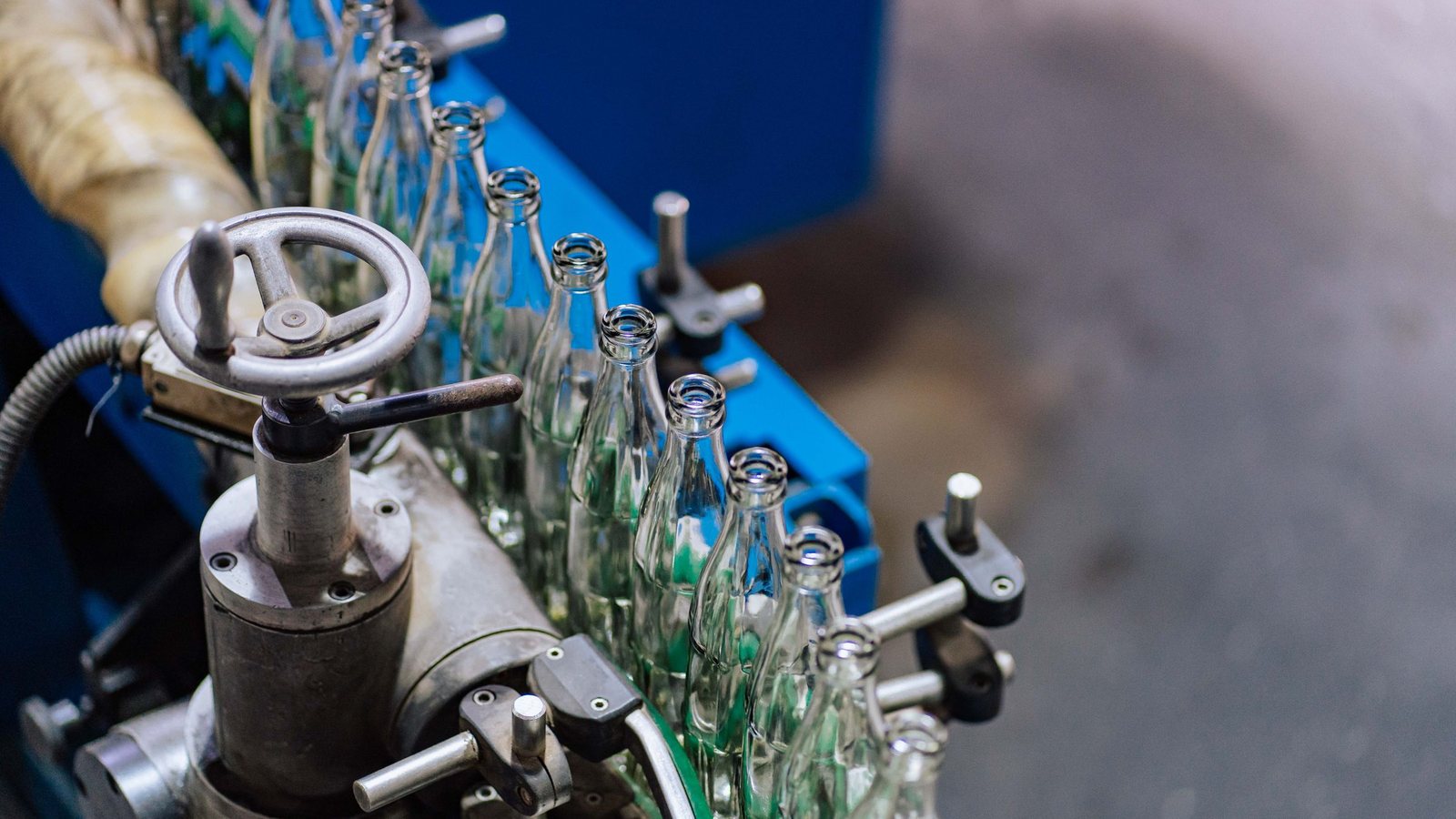
Installing cameras does not mean you have intelligent surveillance. Here are 6 things managers often get wrong when deploying this system.
"AI cameras automatically detect all packaging errors without intervention"
Many believe that simply turning the system on means AI handles everything. In reality, in beverage factories in Vietnam or Mexico, technical errors still account for a significant percentage if alert thresholds are not fine-tuned.
Computer vision is not magic. It requires training data specific to your exact bottle or can types. If factory lighting changes unpredictably, accuracy is directly affected. AIVISION often takes several weeks to adjust the system to fit the actual production environment, rather than the few days promised in marketing materials.
"The cost of new hardware is the biggest burden"
The real headache is not the equipment price, but the operational and maintenance costs.
- Old IP cameras are still useful if the viewing angle is appropriate.
- Manual monitoring labor costs gradually decrease once the system runs stably.
- Alert response times under 1 second help minimize raw material waste.
Compared to hiring an additional QC (Quality Control) team for night shifts, the investment in AI Camera software often has a significantly shorter payback period.
"Executives need to see every detailed alert hourly"
This is the most fatal management misconception.
The executive perspective should focus on aggregated metrics: error rates by shift or line, or estimated waste costs. Viewing individual error images in real-time is the responsibility of the operations team. If executives are busy watching alerts for restricted area intrusions or capping errors second by second, they will overlook the big picture of overall performance.
"The IT team must build the recognition algorithm from scratch"
IT staff are skilled in networking and security, but few are experts in advanced image processing for specific packaging types.
With AIV Camera, the IT team only needs to handle connectivity and data integration. Face recognition (if used for time and attendance), PPE detection, and vehicle counting are already pre-processed. They do not need to learn Python coding or adjust neural network models. This frees up IT time to focus on maintaining the factory's general infrastructure.
Practical insights from AIVISION partners
Large corporations like Coca-Cola or Masan, when deploying similar surveillance solutions, usually focus on process standardization. They do not wait for perfection from day one, but accept a "tuning" phase for the system during the first 2-3 months.
"One single solution for all areas in the factory"
Monitoring storage warehouses, bottling lines, and entry/exit gates are three different problems.
You can use the same camera platform, but alert rules must be separated. Restricted area intrusion alerts in a chemical warehouse require a different priority level than counting trucks entering and exiting. Applying one rigid rule across the entire factory often leads to "information blindness" due to too many unrelated alerts.
"Deploying AI Cameras is a one-time project, done and dusted"
No. This is a continuous process.
Production lines change, new packaging is launched, and factory lighting gets damaged. The AI system needs regular updates and validation. If you treat this as a "install and forget" project, accuracy can drop significantly after 6 months without you knowing, until a large batch of defective goods occurs.
Collaboration between the operations team and the solution provider like AIVISION to review error data monthly is the key factor to maintaining high system reliability over time.
This week, choose a small area, such as the canning zone, and ask your IT team to re-check the viewing angles of existing IP cameras. Identify if any cameras are obstructed or placed at the wrong angle. This is a free but important first step before considering purchasing new hardware or software.
AIVISION helps enterprises turn AI into working systems. Explore our enterprise AI solutions, read more on the AIVISION blog, or talk to our team about your own use case.